
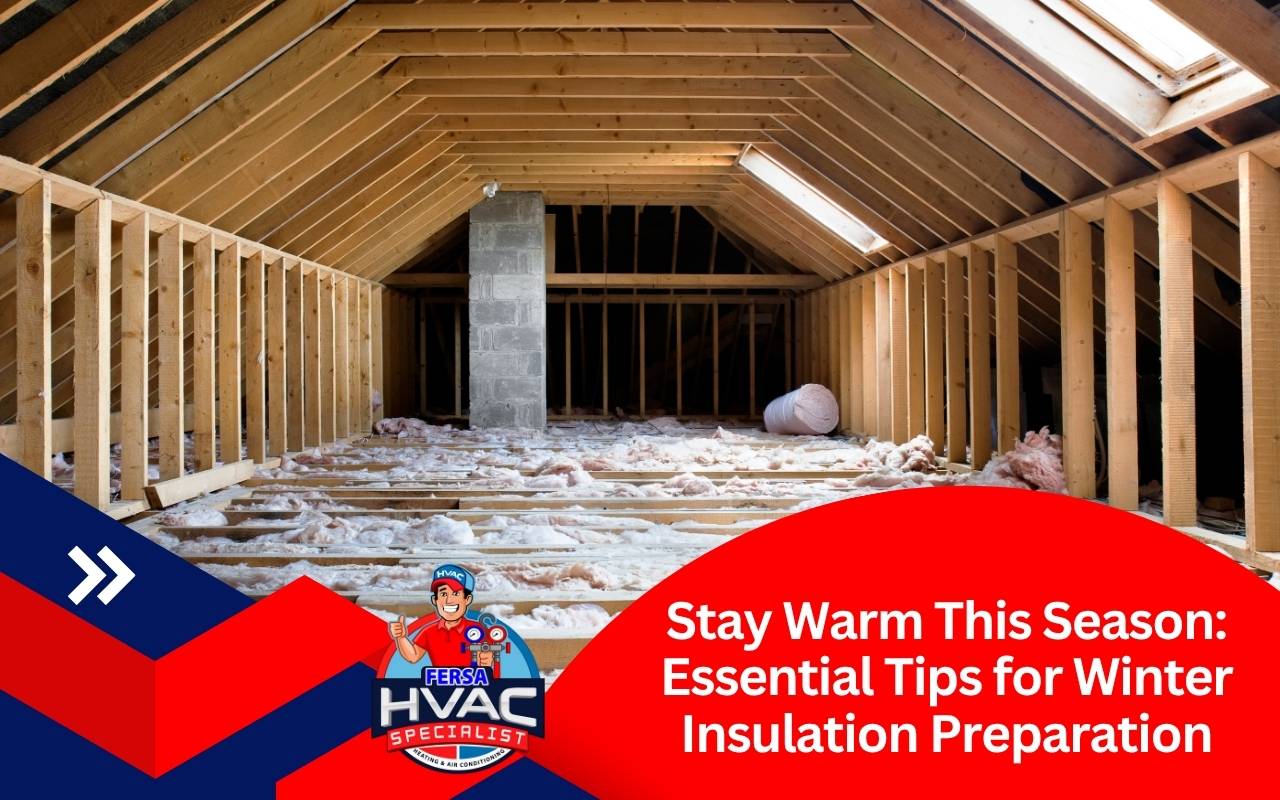
Stay Warm This Season: Essential Tips for Winter Insulation Preparation
As autumn fades and colder days approach, preparing your home for winter becomes essential. Without proper winter insulation preparation, even a cozy home can feel cold and uncomfortable. Effective insulation keeps heat indoors, improving comfort and reducing energy costs. Many homeowners underestimate this process, yet it significantly influences efficiency and utility expenses. By enhancing insulation before temperatures drop, you’ll stay warm and save energy all season long. For expert help, consider exploring Mesquite Energy Solutions for tailored solutions that boost performance and comfort.
Assessing Your Current Insulation Needs
Before making upgrades, evaluate your existing insulation. Walk through your home during a cold morning to identify uneven temperatures. Cold spots near exterior walls often indicate poor insulation. Use a thermal camera or infrared thermometer to detect hidden energy losses easily. This early inspection creates the foundation for an effective winter insulation preparation plan.
- Inspect attics, basements, and crawl spaces for visible damage.
- Measure insulation depth and compare with local R-value standards.
- Note damp, thin, or compressed insulation that reduces efficiency.
With this data, you can determine if upgrades are necessary. Proper assessment ensures that every improvement contributes effectively to your comfort goals.
Identifying Common Draft Sources
Even well-insulated homes lose heat through air leaks. Windows, doors, vents, and utility penetrations are the main culprits. Identifying these gaps early improves your winter insulation preparation results. Try a paper test: move a piece of paper around door or window edges—if it moves, air is leaking.
- Check weatherstripping around doors and windows.
- Inspect outlet covers on exterior walls for airflow.
- Examine attic hatches and basements for gaps or cracks.
By documenting all leak points, you’ll be able to prioritize repairs efficiently and reduce unnecessary energy loss.
Seal Cracks and Gaps Efficiently
After identifying leaks, seal them properly. Apply silicone caulk to small gaps and use spray foam for larger openings. For windows and doors, replace worn weatherstripping and install foam gaskets behind switch plates. Expanding spray foam can seal irregular cracks around pipes or foundation joints.
Once sealed, trim excess foam and ensure a neat finish. Consistent sealing enhances your home’s thermal envelope and improves winter insulation preparation outcomes significantly. You’ll quickly notice fewer drafts and better warmth retention indoors.
Upgrading Windows and Doors for Better Insulation
Windows and doors play a major role in home energy efficiency. When possible, install double-pane or triple-pane windows with low-E coatings. These reduce heat transfer effectively. Alternatively, use storm windows or insulated curtains to increase thermal resistance. Add door sweeps and adjust thresholds to stop drafts.
Properly insulated windows and doors not only conserve heat but also reduce noise and condensation. This step supports a thorough winter insulation preparation process that keeps your living areas consistently warm. To learn more, contact experts through the Contact Page for professional advice and service options.
Don’t Forget the Attic: Insulation Tips for the Top
Since heat naturally rises, attic insulation is crucial. Inspect current materials such as fiberglass or cellulose and add more if needed. Aim for an R-value suitable for cold climates, usually between R-49 and R-60. Seal attic access panels with foam and weatherstripping to prevent warm air loss.
- Ensure vents remain clear for moisture control.
- Install insulation batts perpendicular to existing layers for full coverage.
- Check insulation depth after major weather changes.
Proper attic insulation forms a key layer in your winter insulation preparation plan, helping maintain steady warmth throughout your home.
Insulating Floors and Walls: Key Considerations
Floors and walls often allow unnoticed heat loss. Add insulation to crawl spaces and garage ceilings to stop drafts. Use rigid foam boards or spray foam for consistent coverage. If your walls lack insulation, consider blown-in cellulose or fiberglass. Rugs and carpets can add warmth while improving comfort underfoot.
Additionally, ensure walls have vapor barriers to prevent condensation. Balanced insulation in walls and floors keeps rooms uniformly warm and complements your winter insulation preparation strategy perfectly.
Choosing the Right Insulation Materials
Selecting suitable insulation material affects performance and longevity. Fiberglass batts are affordable and easy to install but lose effectiveness if compressed. Cellulose provides excellent coverage and eco-friendly benefits, while spray foam offers superior air sealing and moisture resistance. Each has strengths depending on placement and budget.
- Use closed-cell spray foam for basements and crawl spaces.
- Opt for cellulose in attics for even coverage.
- Choose mineral wool for fire resistance and durability.
Evaluating these options ensures that your winter insulation preparation aligns with both comfort and sustainability goals. For more insights, explore Energy Savings in Mesquite to learn effective methods to enhance your home’s energy profile.
Professional Insulation Installation: When to Consider Hiring Help
Some insulation projects require professional assistance. Complex attic retrofits and spray foam applications often need specialized tools. A certified contractor ensures compliance with building codes and maximizes efficiency. Professionals also identify issues like hidden moisture that may go unnoticed in DIY projects.
Request multiple estimates before selecting a contractor. Check certifications, insurance, and prior client feedback. Partnering with experts ensures high-quality results and long-term value for your winter insulation preparation efforts.
Monitoring and Maintaining Your Insulation Throughout Winter
Even after installation, regular maintenance is essential. Inspect weatherstripping every few weeks and replace damaged sections promptly. Ensure attic insulation hasn’t settled unevenly. Watch for signs of moisture buildup, which can compromise insulation performance.
Ongoing care keeps your system working efficiently throughout the season. Regular attention to maintenance guarantees that your winter insulation preparation continues to deliver comfort and energy savings month after month.
FAQs
Why is winter insulation preparation important?
It helps prevent heat loss, maintains comfort, and reduces energy costs by ensuring your home retains warmth efficiently.
How can I check if my home needs more insulation?
Look for cold spots, drafts, and high energy bills. An energy audit can reveal areas that need improvement.
Which areas of my home should I insulate first?
Start with the attic, exterior walls, and floors above unheated spaces for the greatest impact.
Can I handle insulation upgrades myself?
Yes, simple tasks like sealing gaps or adding attic insulation are DIY-friendly. Complex projects may need professionals.
How often should I inspect insulation?
Inspect insulation at least once per season and after extreme weather to ensure it performs effectively.
Enjoy a Cozy and Energy-Efficient Home All Winter Long
Thorough winter insulation preparation ensures comfort and energy savings during the cold months. From sealing gaps to upgrading materials, each step makes your home more efficient. Whether you handle small fixes yourself or hire professionals, investing in insulation brings long-term rewards. Take action today to create a warmer, more sustainable living space for your family.