
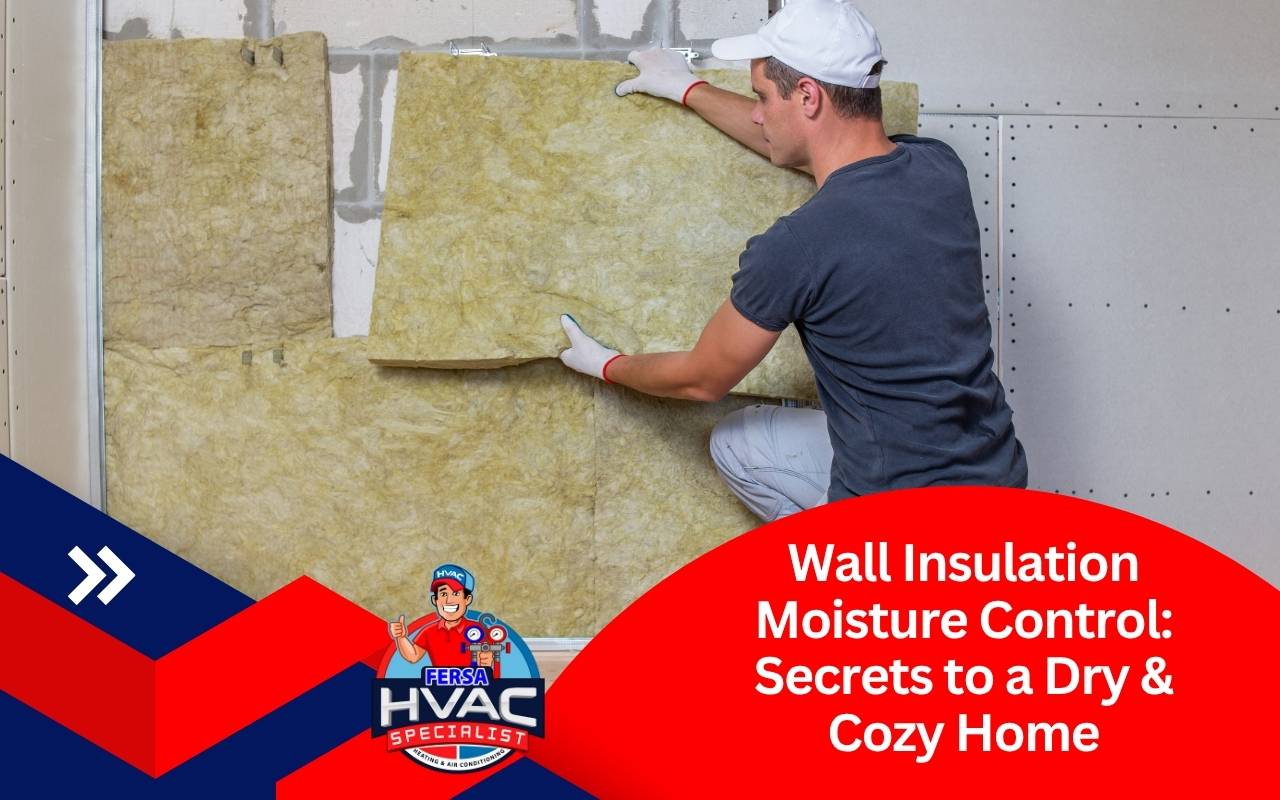
Wall Insulation Moisture Control: Secrets to a Dry & Cozy Home
Every homeowner in Plano knows the relentless struggle against moisture intrusion, a silent adversary that sneaks into homes, threatening comfort and stability. After a long day, you expect warmth and coziness, not the chill of damp walls or musty odors. However, the secret to a dry, snug home often lies in effective wall insulation moisture control. This overlooked practice can transform your living space, protecting it from the elements while improving comfort and peace of mind. It’s not just about feeling secure within your own walls—it’s about ensuring longevity and health. Since inadequate control can lead to mold growth, structural damage, and higher energy bills, mastering this concept is vital. With the right strategies, you can turn the tide against these common issues. Discover how proper techniques help maintain a dry and cozy home through expert insights on moisture management—your journey to a perfect haven starts now.
Understanding the Impact of Moisture on Home Insulation
Proper wall insulation moisture control is essential to preserving home integrity and energy efficiency, especially in Plano, where humidity varies throughout the year. When moisture infiltrates insulation, it reduces thermal resistance, creating cold spots and forcing your HVAC system to work harder. Consequently, energy bills rise while indoor temperatures fluctuate, making some rooms uncomfortable. Over time, damp insulation deteriorates, collapses, or dislodges, leaving gaps that compromise your home’s protective layer.
Beyond efficiency concerns, moisture-laden insulation encourages mold and mildew growth, reducing air quality. These contaminants release spores and compounds that can cause allergies or respiratory problems. Moreover, wooden studs, drywall, and wiring near wet insulation face corrosion, rot, or premature failure. Understanding how moisture interacts with different insulation types is the first step toward effective control and a healthier home environment.
Signs of Moisture Intrusion in Wall Insulation
Detecting early signs of water infiltration is vital for maintaining successful wall insulation moisture control. In Plano’s fluctuating climate, these signs can be subtle at first. Watch for water stains, peeling paint, or bubbling wallpaper, which may indicate moisture behind walls. Persistent musty odors often suggest hidden mold. Temperature differences on walls, such as cool or cold spots, also point to potential dampness. When windows or mirrors fog up excessively, humidity may be high inside. If you notice these indicators, address them promptly before they cause extensive damage.
Importance of Proper Ventilation for Moisture Control
Effective ventilation plays a central role in maintaining good wall insulation moisture control. In humid environments like Plano’s, air exchange helps eliminate excess moisture from daily activities—cooking, bathing, and breathing. Without airflow, dampness gets trapped inside walls and attics, reducing insulation performance. Installing exhaust fans in kitchens and bathrooms expels moist air outside, minimizing condensation.
Moreover, balanced systems such as energy recovery ventilators (ERVs) and heat recovery ventilators (HRVs) regulate humidity while conserving energy. They replace stale air with filtered outdoor air, promoting consistent air quality. For those looking to enhance home comfort and efficiency, consider learning more about Mesquite Energy Solutions for reliable indoor air and humidity management.
Choosing the Right Insulation Materials for Moisture Resistance
Choosing the correct materials ensures lasting wall insulation moisture control. Closed-cell spray foam offers exceptional moisture resistance by adhering tightly to surfaces and preventing water absorption. Fiberglass and cellulose batts treated with water repellents also work well, though installation quality remains crucial. Avoid compressing fibers to maintain R-value.
- Closed-cell spray foam for maximum moisture resistance
- Fiberglass or cellulose batts with water-repellent additives
- Rigid foam boards for structural strength and vapor protection
Rigid foam boards like XPS or polyisocyanurate block vapor and strengthen walls. Reflective foil-faced insulation can complement these materials when combined with an air gap and proper sealing. Homeowners seeking efficiency and protection may explore Energy Savings in Mesquite for more insights into durable, moisture-resistant insulation systems.
Strategies for Sealing Wall Cavities to Prevent Moisture Entry
Air sealing forms a vital part of any comprehensive wall insulation moisture control plan. Gaps around windows, doors, and outlets allow moist air to enter wall cavities. Sealing these openings with quality caulk or spray foam prevents infiltration. Additionally, continuous air barriers such as house wraps and vapor retarders help create a secure envelope.
- Seal gaps and cracks with durable materials
- Install house wraps or vapor retarders
- Use taped joints for airtight connections
Advanced sealing techniques like taped sheathing joints improve wall performance. Applying rigid foam over sheathing and sealing joints ensures airtightness. Inside, adding gaskets and dams prevents airflow at each stud bay. Combined with insulation, these strategies keep walls dry and efficient.
Incorporating Vapor Barriers in Your Insulation System
Integrating vapor barriers effectively limits moisture transfer through wall assemblies. In Plano, where seasons fluctuate, placement and permeability matter. Installing barriers on the warm-in-winter side prevents condensation inside walls. Smart membranes that adjust permeability based on humidity offer flexible protection all year. Proper sealing at seams and penetrations ensures long-term effectiveness.
Maintenance Tips for Long-Term Moisture Control
Routine maintenance ensures wall insulation moisture control remains effective. Inspect siding, flashing, and roofing annually to detect leaks early. Clean gutters to prevent overflow that could saturate walls. Ensure soil slopes away from foundations to discourage pooling water. Indoors, use a hygrometer to monitor humidity and adjust HVAC settings as needed.
- Check exterior for cracks and leaks regularly
- Clean vents, gutters, and downspouts
- Maintain indoor humidity between 30% and 50%
Replace HVAC filters regularly and address musty odors immediately. Small, timely repairs can prevent extensive mold or structural damage that undermine insulation performance. If you suspect persistent issues, consider professional assistance through the Contact page for expert evaluation.
Professional Solutions for Addressing Severe Moisture Issues
When problems exceed DIY capabilities, hiring professionals specializing in wall insulation moisture control is crucial. Experts use diagnostic tools like infrared thermography and blower door tests to locate hidden leaks or damp spots. They may recommend spray foam retrofits, drainage systems, or foundation waterproofing. For homes with recurring basement dampness, sump pumps and interior drainage can provide lasting relief. Certified contractors also ensure that all work complies with safety codes and manufacturer standards, ensuring long-term protection.
FAQs about Wall Insulation and Moisture Management
How can I tell if my insulation has been damaged by moisture?
Watch for cold spots, peeling paint, or musty smells. These signs often indicate trapped moisture behind wall surfaces.
What type of insulation works best in humid climates?
Closed-cell spray foam and rigid foam boards perform well due to their excellent moisture resistance and air sealing capability.
Do vapor barriers eliminate the need for ventilation?
No. While vapor barriers reduce moisture transfer, proper ventilation remains essential for long-term humidity control.
How often should I inspect my insulation for moisture damage?
Conduct inspections at least once a year, especially after heavy rain or humidity spikes.
When should I call a professional for moisture problems?
If you detect persistent dampness or mold despite DIY measures, contact a certified expert for a full assessment.
Enhancing Energy Efficiency Through Moisture Control
Dry insulation performs at its peak efficiency, reducing heat transfer and lowering HVAC demand. This balance enhances comfort and decreases energy bills. Effective wall insulation moisture control ensures insulation maintains its R-value, providing steady indoor temperatures and comfort. Moreover, it prevents mold, structural damage, and expensive repairs. By combining energy-efficient materials with proper sealing, homeowners in Plano can enjoy sustainable, cost-effective living conditions. A moisture-managed home is a healthier, cozier, and more resilient space for years to come.
Achieving a Dry & Comfortable Home Through Effective Wall Insulation Moisture Control
Maintaining wall insulation moisture control protects your home’s structure, efficiency, and air quality. By blending moisture-resistant materials, sealing, ventilation, and regular maintenance, Plano homeowners can ensure year-round comfort. Whether applying minor upgrades or seeking expert help, investing in moisture management safeguards your property from mold and energy waste. For personalized advice or professional service, reach out through the Contact page and take the next step toward a consistently dry, comfortable home.