Genius Solutions for Uneven Temperature in Home Comfort
We’ve all been there: one room feels like a sauna, while another is chilly. The struggle of uneven temperature in home settings affects comfort and energy bills.
Imagine trying to relax in the living room, but the temperature is off. This common issue disrupts daily life, making balance difficult.
Innovative solutions can restore harmony to your home’s climate. These genius approaches enhance comfort, improve energy efficiency, and reduce utility costs.
By exploring causes and applying strategic fixes, you can achieve even temperatures. Every room can feel just right. Discover how to improve your home’s comfort below.
Understanding the Causes of Uneven Temperature
Poor air circulation creates pockets of hot or cold air, resulting in uneven temperature in home conditions. Proper circulation distributes air evenly.
Inadequate insulation in walls, attics, or windows causes heat loss or gain, worsening temperature imbalances. Upgrading insulation helps regulate indoor temperatures effectively.
Imbalanced HVAC systems can leave some areas warmer or cooler than others. Balancing your system and maintaining it regularly improves consistency.
Ductwork issues, such as leaks or poorly sized ducts, disrupt airflow. Fixing ducts enhances air distribution and reduces uneven temperature in home problems.
External factors like sunlight, room layout, and thermostat placement influence temperature variations. Awareness of these elements supports targeted solutions for balanced comfort.
Optimizing HVAC System Performance
Check and replace air filters regularly. Clogged filters restrict airflow, causing inconsistent temperatures. Next, evaluate your furnace or AC unit’s age and maintenance history.
Units older than 10–15 years may struggle with temperature control. Schedule annual tune-ups with certified technicians to keep systems running efficiently.
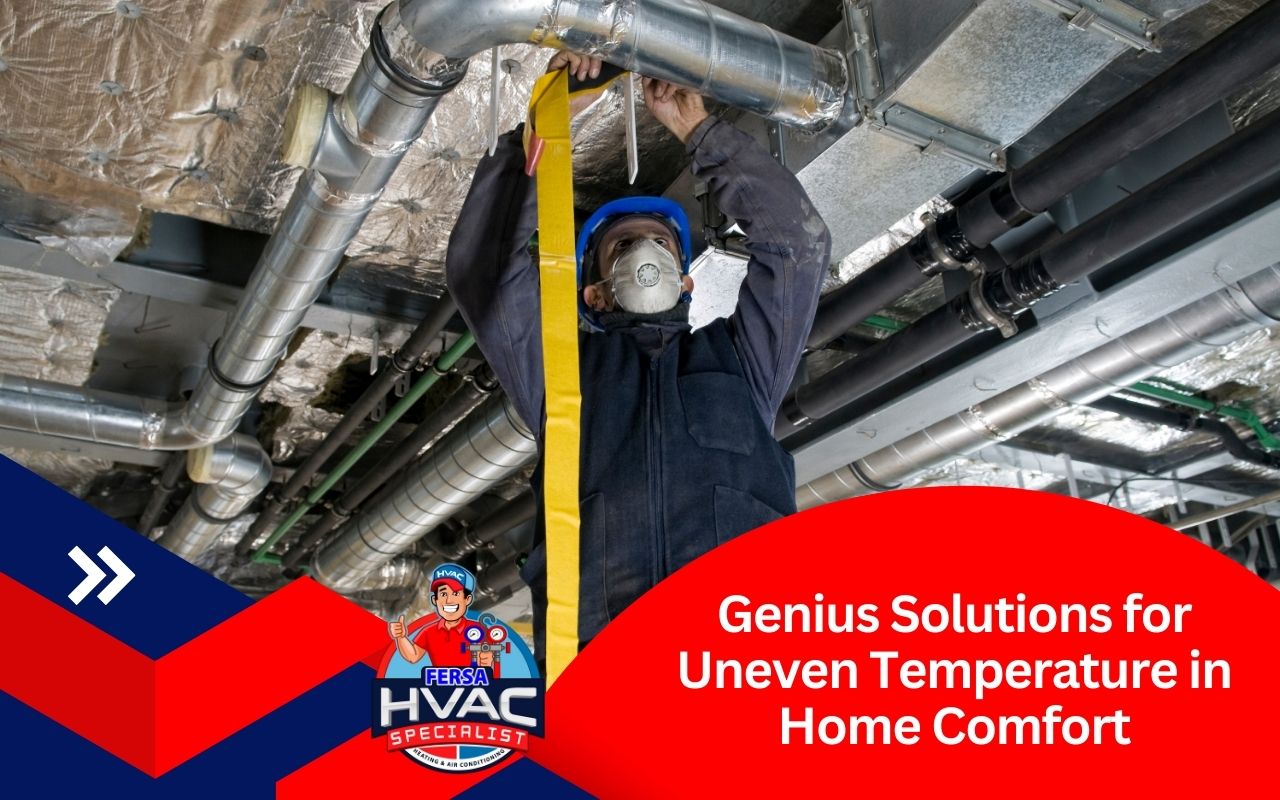
Inspect ducts for leaks, gaps, or detached joints. Seal them with mastic or metal tape to prevent conditioned air from escaping. Insulate ducts to minimize losses.
Adjust dampers to direct airflow to colder rooms and reduce it in overheated zones. Booster fans can also improve circulation in distant or hard-to-reach areas.
High-efficiency HVAC units with variable-speed blowers adapt to real-time demands, maintaining stable temperatures. Optimizing your system addresses common causes of uneven temperature in home issues.
Implementing Zoning Techniques for Targeted Heating and Cooling
Home zoning uses multiple thermostats and dampers to manage areas independently. Zoning directs air where it’s needed, improving comfort and saving energy.
This strategy works well in multi-story homes, open floor plans, or spaces with varying sun exposure. Zoning systems automatically adjust airflow based on demand.
Improving Insulation and Sealing Air Leaks
Proper insulation keeps heat inside during winter and outside during summer. Insufficient insulation contributes to uneven temperature in home environments.
Seal air leaks around windows, doors, and outlets. Even small cracks force HVAC systems to compensate. Caulk, weatherstripping, and foam gaskets improve efficiency.
Spray-foam insulation or rigid foam boards can seal irregular cavities and attics. Improved insulation and leak prevention create a more balanced indoor climate.
Smart Thermostat Integration for Precise Control
Smart thermostats learn preferences and adjust automatically, tackling uneven temperature in home issues. Wi-Fi enabled units allow remote monitoring and control via apps.
Advanced models use occupancy sensors and geofencing to optimize heating or cooling. This prevents wasted energy and keeps preferred rooms comfortable.
Smart thermostats also provide energy insights. By analyzing usage patterns, they help identify hidden heat loss and improve efficiency.
Considering Alternative Heating and Cooling Solutions
Ductless mini-split systems provide room-specific control, eliminating temperature imbalances. Radiant floor heating distributes warmth evenly, removing cold spots.
Hybrid solutions combining heat pumps and solar panels reduce energy use while maintaining consistent temperatures. Innovative technologies address uneven temperature in home effectively and sustainably.
Professional Assessment and Maintenance Services
HVAC professionals diagnose issues like insulation gaps, duct leaks, and equipment inefficiencies. Schedule a service through our contact page for reliable evaluation.
Regular maintenance includes inspections, coil cleaning, lubrication, refrigerant checks, and thermostat calibration. Expert services extend equipment lifespan and maintain consistent indoor comfort.
FAQs About Uneven Temperature in Home
What causes uneven temperature in home?
Poor air circulation, inadequate insulation, imbalanced HVAC systems, duct leaks, and external factors like sunlight can all contribute.
Can I fix uneven temperature myself?
Minor issues such as cleaning vents, replacing filters, or adjusting thermostats are DIY-friendly. Complex duct or system issues require professionals.
Does insulation affect temperature consistency?
Yes, insufficient insulation allows heat gain or loss, creating hot and cold spots. Upgrading insulation improves uniform comfort.
How can smart thermostats help?
Smart thermostats adjust settings automatically, monitor energy usage, and ensure temperature consistency throughout the home.
Achieving Lasting Comfort and Efficiency
Combining HVAC optimization, zoning, insulation, and smart thermostats addresses uneven temperature in home challenges. Professional maintenance ensures lasting results.
For more tips, explore our guide on common HVAC mistakes or learn why overworking your AC can harm your system on our special page.