Boosting Home Comfort: How Insulation and HVAC Efficiency Work Together
As the seasons change, our homes face different comfort demands. Balancing indoor temperatures can feel like a constant challenge. However, understanding the connection between insulation and hvac efficiency can simplify this task. When both work together, they transform your home into a consistently comfortable space. A well-insulated home retains temperature better and reduces HVAC strain. Consequently, this leads to lower energy use and improved equipment lifespan. Enhanced insulation and hvac efficiency also reduce drafts, keeping each room equally pleasant. Learning how they complement each other helps you make better home energy decisions. With these insights, you can enjoy a cozier home and a more sustainable lifestyle. To learn more about improving your comfort, Contact the experts today.
Importance of Proper Insulation in Home Comfort
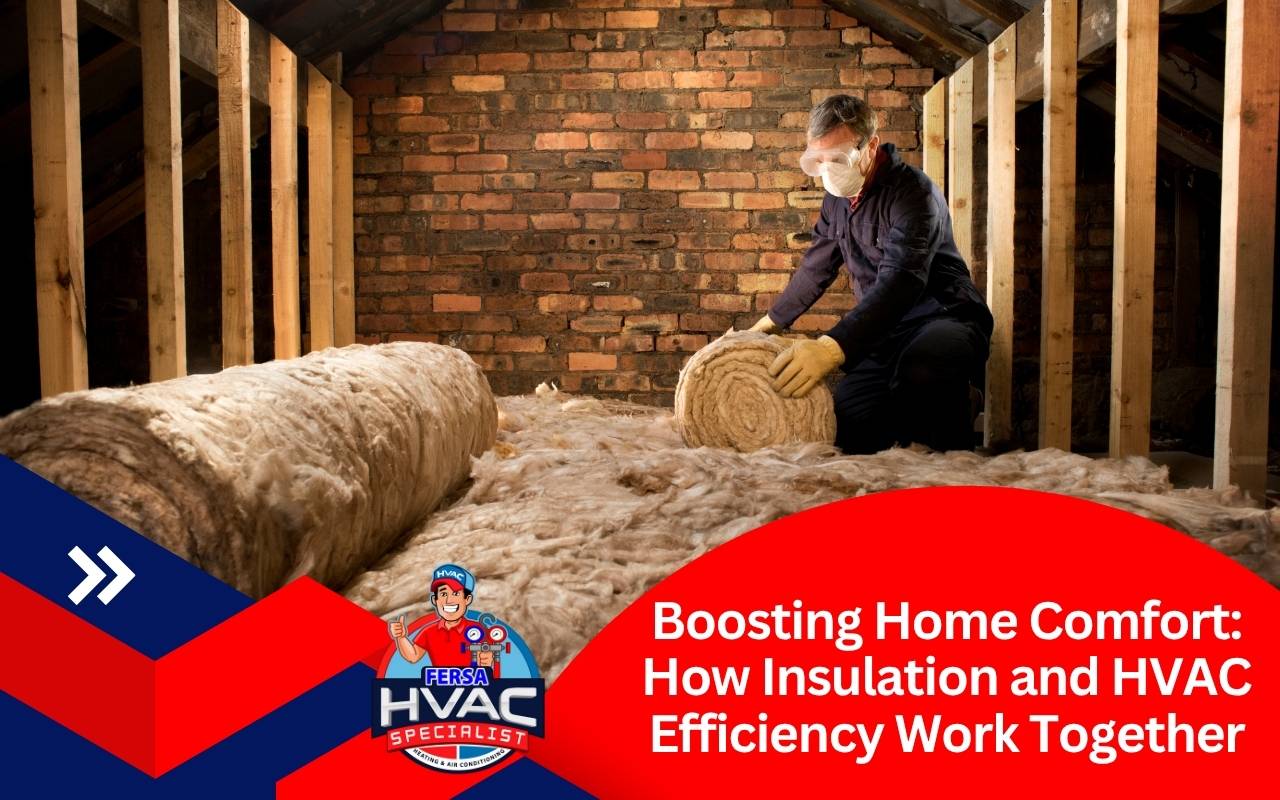
Proper insulation creates a barrier against outdoor temperatures, stabilizing indoor conditions throughout the year. It reduces heat transfer through walls, roofs, and floors, maintaining warmth during winter and coolness in summer. This efficiency reduces strain on your HVAC system and boosts overall comfort. Moreover, insulation prevents drafts and eliminates cold spots in different rooms.
- Seal gaps around windows and doors.
- Use spray foam and weatherstripping to stop air leaks.
- Insulate attics, basements, and walls for consistent comfort.
Insulation also controls moisture, preventing mold and structural issues. By managing heat and humidity, it supports better indoor air quality. Overall, quality insulation enhances your comfort while improving insulation and hvac efficiency.
Role of HVAC Efficiency in Maintaining Comfort
An efficient HVAC system maintains the desired indoor climate using less energy. Regular maintenance, such as filter changes and coil cleaning, ensures steady performance. Duct sealing and insulation prevent air leaks, improving airflow delivery throughout your home. Efficient air distribution eliminates hot and cold spots, enhancing comfort in every room.
- Change filters every one to three months.
- Inspect ducts for leaks or poor insulation.
- Schedule regular HVAC checkups to sustain efficiency.
Smart thermostats further improve efficiency by adjusting temperatures automatically. Combining advanced technology with insulation and hvac efficiency creates a powerful comfort strategy. Homeowners benefit from lower costs and a reduced environmental footprint. Learn more about sustainable home solutions at Energy Solutions.
Understanding the Relationship Between Insulation and HVAC Systems
The partnership between insulation and HVAC systems lies in reducing temperature differences. When insulation limits heat transfer, HVAC units run less often. This decreases energy use and extends system life. Proper insulation allows your HVAC equipment to maintain comfort without overworking. If insulation is insufficient, even advanced systems struggle to perform efficiently. Therefore, matching HVAC capacity to insulation levels ensures long-term stability and balanced temperatures.
Benefits of Well-Insulated Homes on Energy Efficiency
Well-insulated homes reduce heating and cooling costs while improving comfort. By minimizing heat loss or gain, insulation helps your HVAC system operate efficiently. As a result, you save on utilities and extend equipment life. Additionally, improved insulation and hvac efficiency contribute to a cleaner environment by lowering emissions. Long-term, insulation also strengthens your home’s structure and prevents moisture-related damage.
These combined advantages make insulation a smart, cost-effective investment. For professional assistance, visit Energy Savings to explore personalized options.
Impact of HVAC Efficiency on Energy Consumption
Efficient HVAC systems reduce household energy use significantly. Upgrading to modern, high-efficiency models can cut consumption by up to 40%. Routine maintenance and duct sealing ensure systems perform optimally. When combined with good insulation, energy waste decreases, lowering costs and boosting comfort. Using programmable thermostats and advanced controls helps fine-tune performance, supporting greater insulation and hvac efficiency overall.
Strategies to Improve Home Insulation for Better Comfort
Improving home insulation starts with an energy audit. Professionals identify air leaks and under-insulated areas using infrared technology. Once identified, prioritize upgrades in attics, walls, and rim joists. Adding blown-in insulation or spray foam enhances your home’s thermal envelope. In new construction, structural insulated panels or insulated concrete forms offer top performance. Tailoring these strategies ensures maximum comfort and consistent savings.
- Perform a home energy audit before starting upgrades.
- Focus on sealing attics and exterior walls.
- Use eco-friendly insulation materials for sustainable benefits.
Tips for Enhancing HVAC Efficiency in Your Home
Maintaining HVAC efficiency involves regular inspections and smart upgrades. Replace filters often to maintain clean airflow. Schedule seasonal tune-ups to prevent costly issues and ensure system accuracy. Clean coils and condensate lines to prevent blockages. Additionally, install smart thermostats to manage temperatures automatically. Combine duct sealing, zoning systems, and routine care for reliable insulation and hvac efficiency improvements.
FAQs About Insulation and HVAC Efficiency
How does insulation affect HVAC performance?
Insulation reduces heat transfer, allowing HVAC systems to maintain stable temperatures more efficiently and use less energy.
Can better insulation lower energy bills?
Yes, because improved insulation and hvac efficiency reduce system workload, leading to significant energy savings over time.
What maintenance keeps HVAC systems efficient?
Regular filter replacement, duct cleaning, and yearly inspections keep systems running efficiently while enhancing overall comfort.
Is it necessary to upgrade both insulation and HVAC?
Yes, upgrading both together maximizes comfort, efficiency, and savings. They work best as a combined system.
Does insulation impact indoor air quality?
Proper insulation reduces outdoor pollutants and moisture entry, improving air quality and preventing mold growth indoors.
Integrating Insulation and HVAC Upgrades for Optimal Results
To achieve the best comfort and efficiency, view insulation and HVAC upgrades as connected projects. Begin with sealing leaks and boosting insulation before downsizing your HVAC unit. A smaller, efficient system suits a well-insulated home perfectly. Partnering with professionals who understand both areas ensures correct sizing and installation. Together, these upgrades increase comfort and long-term savings while enhancing insulation and hvac efficiency.
Maximizing Comfort and Sustainability Through Insulation-HVAC Synergy
When insulation and HVAC systems work in harmony, comfort levels rise while energy costs drop. The home becomes quieter, healthier, and more efficient. This synergy extends system lifespan, reduces emissions, and creates a peaceful indoor environment. Adopting modern insulation and hvac efficiency solutions helps families live sustainably and save money. To start your journey toward a more efficient home, Contact the experts for tailored guidance today.