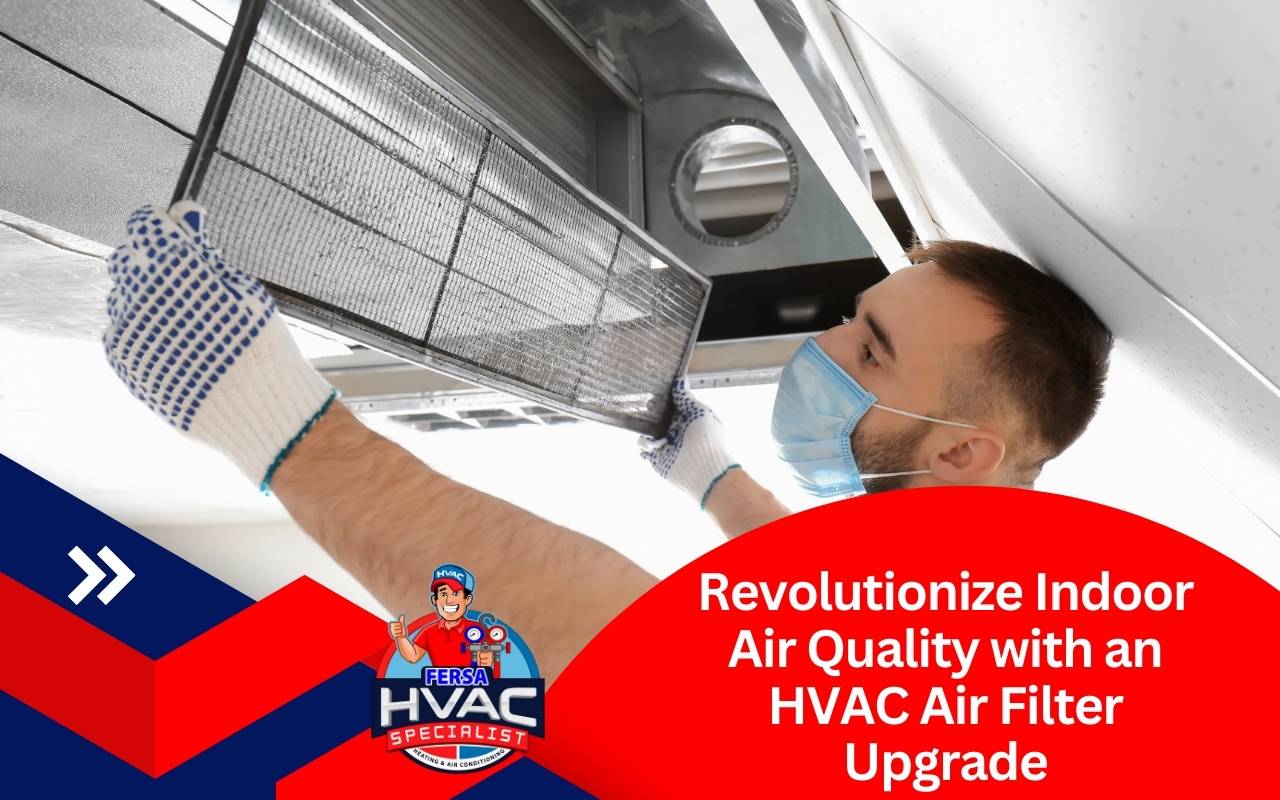
Revolutionize Indoor Air Quality with an HVAC Air Filter Upgrade
Every day, we take around 20,000 breaths. Yet, how often do we consider indoor air quality? With indoor air pollution rising, the air inside can be two to five times more polluted than outdoors. This alarming fact underscores the importance of clean indoor air. One simple but effective solution is an HVAC air filter upgrade. Such an upgrade not only improves the air we breathe but also enhances overall well-being. Moreover, dust mites, pollen, pet dander, and volatile organic compounds are common culprits affecting health. Therefore, upgrading your HVAC filter is like detoxifying your home’s lungs. It traps contaminants, reduces irritants, and promotes fresher air. Consequently, the benefits extend beyond health, improving energy efficiency and prolonging system life.
Understanding Indoor Air Quality
Indoor air quality refers to the condition of air within enclosed spaces. It involves pollutant levels, humidity, and ventilation quality. Since people spend nearly 90% of their time indoors, air quality is vital for health. Inadequate ventilation or high humidity worsens indoor air, leading to discomfort and respiratory issues. Understanding these factors helps identify improvements such as upgrading filters. Moreover, monitoring indoor air often includes tracking particulate matter, carbon dioxide, and humidity levels. Effective HVAC systems with high-quality filters play a crucial role in maintaining healthy environments. Choosing better filters, such as HEPA or activated carbon layers, enhances protection. Therefore, an HVAC air filter upgrade is one of the easiest steps for healthier indoor air.
Common Indoor Air Pollutants
- Particulate matter: dust, pollen, and pet dander
- Biological pollutants: mold spores and bacteria
- Chemical pollutants: volatile organic compounds (VOCs)
- Combustion pollutants: carbon monoxide and nitrogen dioxide
Humidity also fosters mold growth, while poor filtration recirculates particles. Tackling these threats requires source control, ventilation, and filtration. For example, an HVAC air filter upgrade significantly reduces airborne particles. Activated carbon filters also neutralize odors and VOCs. In addition, identifying seasonal pollutants like pollen or smoke guides the best filtration choices. Transitioning to upgraded filters directly combats these invisible risks.
Impact of Poor Indoor Air Quality on Health
Poor indoor air quality triggers headaches, eye irritation, and fatigue. Moreover, long-term exposure worsens asthma, allergies, and bronchitis. Vulnerable groups—children, elderly individuals, and those with preexisting conditions—are most affected. Studies also link polluted indoor air to cardiovascular issues. An HVAC air filter upgrade reduces exposure to fine particulate matter, easing the body’s toxic burden. Consequently, cleaner air promotes better sleep, fewer allergies, and improved life quality. When paired with proper humidity and system care, filters protect family health effectively.
Introduction to HVAC Air Filters
HVAC air filters act as the first defense against airborne contaminants. They capture particles, keeping coils and ducts cleaner. Standard filters include pleated fibers, electrostatic layers, and activated carbon. Their function is twofold: protect equipment and deliver clean air. Moreover, modern filters now feature higher efficiency ratings, antimicrobial coatings, and multi-stage filtration. Selecting the right filter balances efficiency with airflow resistance. Therefore, a carefully chosen HVAC air filter upgrade ensures comfort, safety, and system longevity.
Types of HVAC Air Filters
- Fiberglass Air Filters: Inexpensive, basic filtration for large particles.
- Pleated Air Filters: Capture smaller particles, ideal for homes with pets.
- HEPA Air Filters: Capture tiny particles, best for sensitive environments.
- Electrostatic Filters: Use static charges to trap contaminants.
By selecting the right filter type, homeowners ensure effective air purification. In addition, an upgrade provides both cleaner air and extended equipment health.
Choosing the Right HVAC Air Filter for Your Home
Choosing an air filter begins with checking manufacturer recommendations. These ensure compatibility and proper airflow. Next, evaluate MERV ratings. Higher ratings capture finer particles but may restrict airflow. For example, households with allergies benefit from HEPA filters. Homes in polluted areas should consider activated carbon layers. Therefore, replacing standard filters with an HVAC air filter upgrade improves both air quality and performance. Maintenance schedules also matter—filters must be checked regularly for optimal results.
Benefits of Upgrading Your HVAC Air Filter
- Cleaner and healthier air through enhanced filtration
- Reduced allergy and asthma triggers
- Improved system efficiency and lower energy costs
- Extended equipment lifespan and fewer repairs
An HVAC air filter upgrade offers benefits beyond health. Cleaner coils improve energy transfer, reducing utility bills. Moreover, a proactive filtration strategy prevents malfunctions, saving costly service calls. Consequently, over time, energy savings and fewer repairs make this upgrade a smart choice.
Maintaining Your HVAC Air Filter
Routine care keeps filters effective. Therefore, inspect filters monthly during peak seasons. Replace pleated filters every three months, while high-efficiency models may last six months. Dirty filters reduce airflow, forcing the system to overwork. In addition, homeowners should also clean vents, seal ducts, and ensure proper insulation. Professional inspections complement this process, ensuring upgrades keep performing effectively.
Professional HVAC Maintenance Services
DIY maintenance covers filter changes, but professionals go further. Certified technicians inspect coils, ducts, and refrigerant levels. Moreover, they identify air leaks, mechanical wear, or electrical issues early. Service visits ensure airflow and performance meet manufacturer standards. Professionals also guide homeowners in selecting the right filter. Therefore, a professional-led HVAC air filter upgrade enhances comfort and peace of mind. Expert oversight makes air quality strategies stronger and more reliable.
FAQs about HVAC Air Filter Upgrades
What is the main benefit of an HVAC air filter upgrade?
It improves indoor air quality by trapping more pollutants, enhancing both comfort and health.
How often should I replace my upgraded air filter?
Most pleated filters last three months, while advanced models may last six months or longer.
Do upgraded filters save energy?
Yes. Specifically, cleaner filters reduce system strain, leading to better efficiency and lower energy bills.
Are HEPA filters always the best choice?
Not always. While highly efficient, they must match your system’s airflow capacity to work properly.
Can I install an upgraded filter myself?
Yes, many filters are DIY-friendly. However, consulting a professional ensures proper fit and selection.
Transforming Your Indoor Air Quality
Investing in an HVAC air filter upgrade is a step toward healthier living. Upgraded filters capture more pollutants, making homes cleaner and safer. Moreover, when combined with maintenance and professional inspections, the results are long-lasting. Better filters improve system efficiency, reduce costs, and create a healthier home environment. Ready to improve your air quality? Contact us today to learn how we can help.