
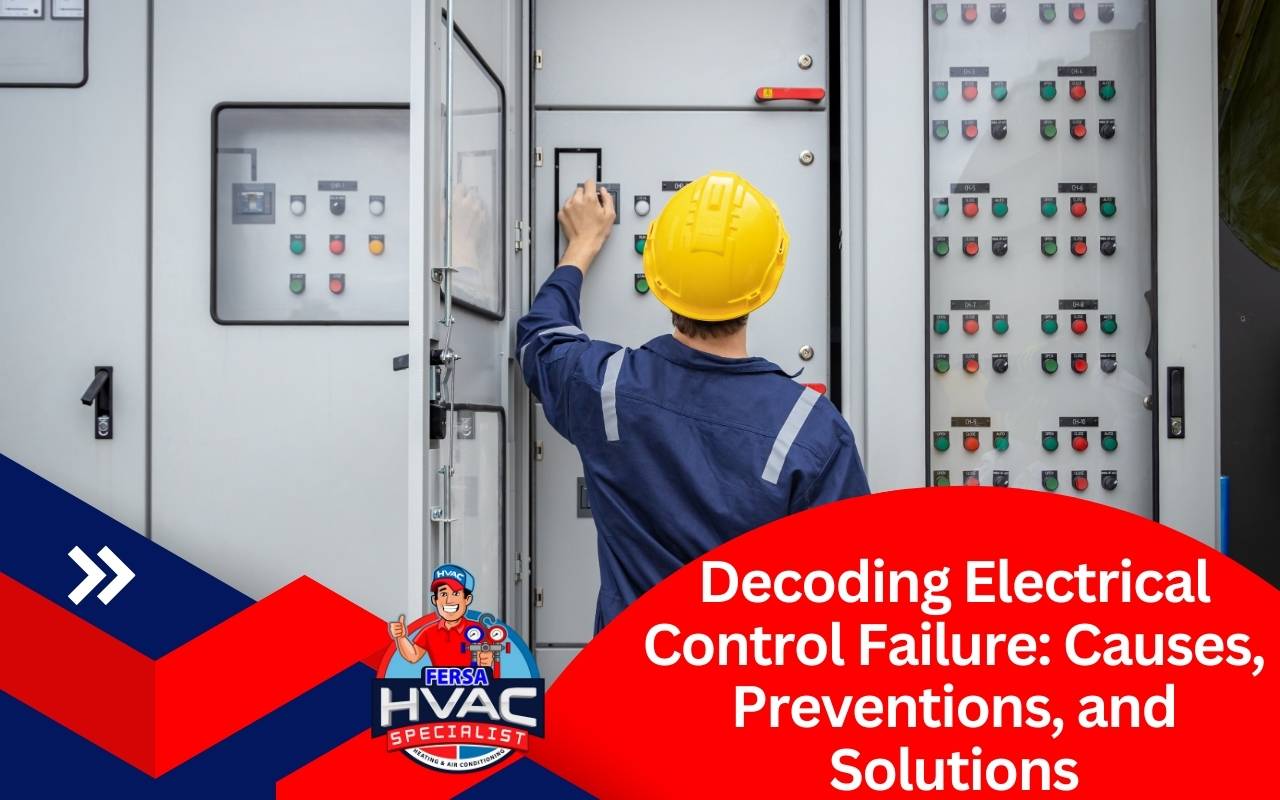
Decoding Electrical Control Failure: Causes, Preventions, and Solutions
When the lights flicker and machinery halts, it may indicate a control system problem. This issue causes minor disruptions and major setbacks. Understanding the risks behind electrical control failure helps prevent operational downtime. By identifying common causes, you can implement strategies to reduce risk. Whether you are an industry professional or curious about systems, this guide provides insights and actionable solutions.
Understanding Electrical Control Failure: Unraveling the Complexities
This type of breakdown occurs in systems managing power, switches, and protective devices. When circuits malfunction, equipment may shut down unexpectedly. Failures can range from blown fuses to PLC malfunctions. Understanding vulnerabilities allows engineers to diagnose root causes effectively. Transition words, such as therefore and moreover, emphasize key connections in troubleshooting.
Common Causes of Electrical Control Failure
Overloads
Overloads occur when circuits carry more current than designed, causing overheating and equipment damage. Monitoring current and proper load calculations help prevent issues. Adding too many devices or excessive power use often triggers this problem.
Transient Voltages
Voltage spikes, or transients, can damage sensitive components. Lightning, inductive load switching, and grid disturbances create these surges. Surge protection and grounding practices reduce the chance of failure.
Inadequate Maintenance
Neglecting inspections, cleaning, and testing causes dust, corrosion, and component breakdowns. Following maintenance schedules and manufacturer guidelines keeps systems reliable. For tips, see common HVAC maintenance mistakes.
Electrical Overload: A Silent Killer
Electrical overloads gradually degrade insulation, weaken solder joints, and may lead to catastrophic shorts. Early signs include scorching smells, discolored wires, and frequent breaker trips. Acting promptly reduces the risks of system failure.
The Impact of Environmental Factors on Control Systems
Dust, moisture, temperature extremes, and chemicals undermine reliability. Environmental stress accelerates aging, increasing the probability of downtime. Evaluating conditions ensures robust and reliable installations.
Age and Maintenance: The Unsung Heroes or Villains
Aging wiring, worn relays, and loose connectors increase breakdowns. Preventive maintenance preserves reliability and reduces the likelihood of malfunctions. Keeping records of maintenance history helps anticipate potential problems.
Preventive Measures to Safeguard Against Control Failures
Conduct risk assessments and monitor component lifecycles to avoid disruption. Structured protocols, proper documentation, and clear labeling reduce human error. Predictive analytics further enhance preventive maintenance programs. Additionally, integrating real-world performance data supports informed decision-making.
Regular Inspections and Maintenance Protocols
Hands-On Inspections
Inspect control panels, wiring, and protective devices regularly. Verify connections, insulation integrity, and safety interlocks. Proactive inspections minimize unexpected shutdowns and downtime.
Integration of Diagnostic Tools
Infrared thermography and ultrasonic testing reveal hidden issues. These tools detect hotspots and electrical discharge before failure occurs. Using diagnostics reduces risks significantly.
Centralized Data Recording
Document inspections, maintenance, and equipment performance in a centralized database. Analyze trends and recurring issues to strengthen reliability. Data transparency enhances workflow efficiency and accountability.
Investing in Up-to-Date Technology for Enhanced Control
Smart sensors, IoT, and adaptive algorithms continuously monitor performance. Upgrading legacy systems with diagnostics and remote monitoring prevents costly disruptions. Cloud analytics provide real-time insights and allow proactive interventions. Learn more at can you overwork your AC unit.
Troubleshooting Strategies for Addressing Control Failures
Isolate affected sections and check power sources when a breakdown occurs. Verify fuses and breakers. Use schematics and software to trace failures. Document each step for future reference and improved preventive measures.
Frequently Asked Questions
What are the primary signs that an electrical control failure is imminent?
Flickering lights, unusual noises, and repeated breaker trips are common warnings. Heat buildup or terminal discoloration also signals risk.
How can regular maintenance reduce the risk of electrical control failure?
Routine inspections and component replacements detect wear early. Infrared scans and checklists help maintain operational reliability.
Is upgrading to smart control systems worth the investment?
Smart systems offer monitoring, remote diagnostics, and predictive alerts. These features reduce unplanned downtime and lower risks.
Can environmental conditions really cause an electrical control failure?
Yes. Moisture, dust, and extreme temperatures compromise components. Corrosion, insulation failure, and thermal stress contribute to malfunctions.
What steps should be taken immediately after detecting a control failure?
Isolate affected areas, consult diagrams, and test circuits methodically. Document findings to address root causes and prevent recurrence. Contact professionals if needed at Fers HVAC Contact.
Empowering Your Operations with Proactive Control Management
Understanding the causes behind electrical control failure empowers proactive management. Preventive measures, modern technologies, and disciplined maintenance improve system resilience. Teams can forecast failures, intervene timely, and enhance operational reliability. Embracing proactive strategies ensures uninterrupted operations and continuous improvement.