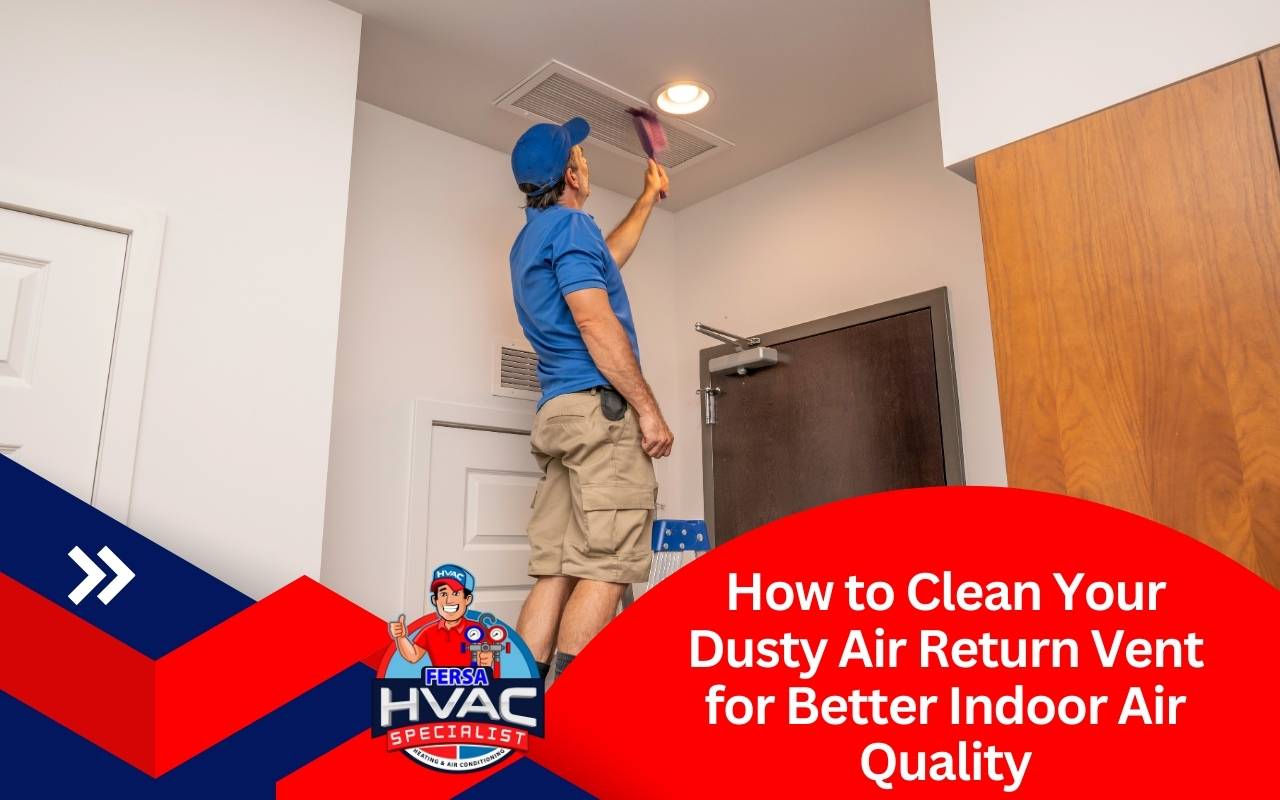
How to Clean Your Dusty Air Return Vent for Better Indoor Air Quality
If you’ve ever noticed a tickle in your throat or seen dust bunnies roaming, you may blame your dusty air return vent. This unnoticed issue harms air quality, spreading allergens and affecting health. Moreover, clean vents reduce allergens and keep your HVAC system efficient. In addition, regular maintenance lowers energy costs. Therefore, follow this guide to improve your indoor environment and breathe healthier air.
Importance of Cleaning Your Air Return Vent
Keeping your air return vent clean is more than aesthetic. A dusty air return vent forces your HVAC system to work harder, increasing bills and wear. Moreover, allergens build up, recirculating through your home and worsening asthma and allergies. Consequently, regular cleaning minimizes these risks and ensures fresher indoor air.
- Improves HVAC efficiency and reduces strain
- Minimizes allergens and respiratory risks
- Lowers energy consumption and costs
To learn more about poor air quality, read our detailed guide.
Signs of a Dusty Air Return Vent
Recognizing signs early saves effort. For example, dust buildup on the grille is a clear signal. Musty odors when the system runs also point to debris and possible mold. In addition, uneven airflow or odd noises suggest blockages. Therefore, prompt action keeps air clean and your system performing well.
- Dusty surfaces near the vent
- Strange odors when HVAC starts
- Reduced airflow and uneven room comfort
Tools and Supplies Needed for Cleaning
Preparation makes the task simple. Therefore, gather tools and safety gear before starting. Common items include:
- Screwdriver or drill for vent cover removal
- Vacuum with hose and brush attachment
- Soft-bristled brush and microfiber cloths
- Mild detergent or approved cleaning solution
- Dust mask, gloves, and protective goggles if mold is suspected
Preparing to Clean Your Air Return Vent
Turn off your HVAC system to avoid blowing dust. Moreover, place a cloth under the vent to catch debris. Wear a dust mask and gloves. In addition, proper lighting and organization ensure efficiency and safety during cleaning.
Removing the Vent Cover
Carefully remove screws or clips holding the vent cover. Therefore, place them in a small container to avoid losing parts. Handle the cover gently to prevent damage. Taking it outside reduces the spread of dust indoors.
Cleaning the Vent Cover and Duct
Wash the cover with soapy water, scrubbing gently to remove dust. Let it air-dry completely. Meanwhile, wipe the duct opening with a damp microfiber cloth. Moreover, avoid leaving fibers inside. For example, wrap the cloth around a handle to reach deeper areas safely.
Vacuuming Inside the Duct
Use a vacuum hose with a narrow nozzle to reach inside the duct. Move slowly in circular motions to capture dust. Moreover, a flexible brush helps dislodge stubborn debris. Follow with the vacuum until the duct looks clean. Consequently, this step ensures a thorough clean of your dusty air return vent.
Reinstalling the Vent Cover
Once dry, reattach the cover. Therefore, align holes carefully and tighten screws just enough to secure it. Do not over-tighten. Restore HVAC power and check for unusual noises. Finally, wipe the area for a neat finish.
Frequency of Cleaning Your Air Return Vent
Cleaning frequency depends on pets, pollen, and air quality. Every three to six months is a good rule. However, homes with pets or allergies may need cleaning every two months. Moreover, seasonal checks help keep your indoor air fresh. Regular cleaning extends HVAC life and reduces allergy risks. Learn more about improving your air at our improvement guide.
FAQs About Dusty Air Return Vents
How often should I clean a dusty air return vent?
Every three to six months works for most homes. However, pets and allergy-prone households benefit from cleaning every two to three months.
Can a dusty air return vent cause allergies?
Yes. Specifically, dust and allergens spread through your system, worsening asthma and allergy symptoms over time.
What tools are essential for cleaning vents?
A vacuum with a brush attachment, microfiber cloths, and mild detergent are key tools for effective cleaning.
Do I need protective gear for vent cleaning?
Yes. A dust mask and gloves are recommended. Moreover, if mold is suspected, add goggles and a respirator.
Is professional cleaning necessary?
Basic cleaning can be done at home. However, heavy buildup or suspected mold may require professional help.
Enjoying Cleaner Indoor Air
Cleaning your dusty air return vent is simple yet impactful. Therefore, improved airflow, reduced allergens, and better efficiency are the main benefits. Moreover, make vent cleaning part of your seasonal routine. Protect your health and comfort by keeping air fresh. For expert help, contact us today.