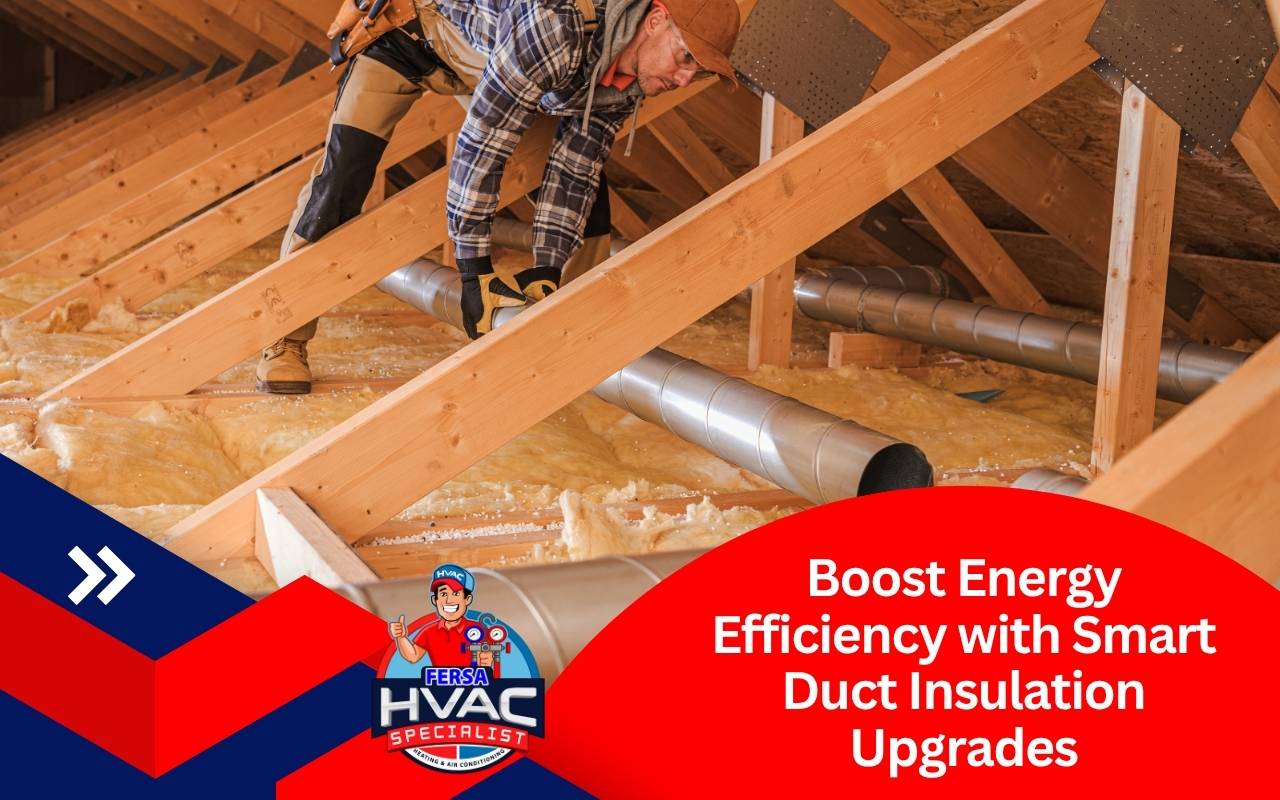
Boost Energy Efficiency with Smart Duct Insulation Upgrades
Energy consumption continues to rise, making sustainable living more crucial than ever. Among various solutions, duct insulation upgrades stand out as a key strategy to boost efficiency. Many homeowners overlook this hidden opportunity, but it can significantly reduce energy waste and lower utility bills. Poorly insulated ducts can cause energy losses of up to 30%. By embracing smart duct insulation upgrades, you create a greener home and save money in the process.
During extreme weather, your HVAC system works constantly to maintain indoor comfort. Without proper duct insulation, much of that effort is lost. Advanced insulation ensures conditioned air reaches every room without waste. Investing in modern duct insulation upgrades improves system performance and enhances indoor comfort. For sustainable solutions, visit our mesquite energy solutions page.
Understanding the Importance of Duct Insulation
Proper duct insulation acts as a barrier between conditioned air and unconditioned areas. Without it, heat escapes into attics or crawlspaces, forcing your HVAC to work harder. This leads to higher energy consumption and system wear. However, duct insulation upgrades help maintain air temperature and efficiency. They also prevent condensation, mold, and allergens. Insulated ducts reduce drafts and maintain consistent comfort. Investing in insulation not only saves energy but also improves air quality and extends HVAC lifespan.
Impact of Poorly Insulated Ducts on Energy Efficiency
When ducts lack insulation, much of the conditioned air escapes before reaching living areas. In hot summers, cool air warms as it moves through uninsulated ducts. In winter, warm air loses heat in cold spaces. This loss forces HVAC systems to run longer, increasing costs. Studies show that 30% of HVAC energy can be lost through poor ductwork. Therefore, duct insulation upgrades are essential to maintain efficiency and reduce environmental impact.
- Uneven temperatures across different rooms.
- Increased strain on HVAC components.
- Higher electricity and gas consumption.
- More frequent system repairs due to stress.
Addressing duct insulation problems helps cut energy waste and improve home comfort quickly.
Benefits of Smart Duct Insulation Upgrades
Upgrading duct insulation provides both immediate and lasting benefits. It lowers energy bills because air is delivered more efficiently. HVAC systems run less often and last longer. This translates into savings and comfort. Additionally, duct insulation upgrades stabilize indoor temperatures and reduce drafts. Homeowners also notice less noise and cleaner air. Proper insulation supports sustainability while minimizing your carbon footprint. For expert assistance, explore energy savings in mesquite for valuable insights.
- Lower energy bills and faster temperature control.
- Healthier indoor air by preventing mold growth.
- Reduced environmental impact and improved comfort.
Types of Insulation Materials for Ductwork
Choosing the right insulation material is vital for successful duct insulation upgrades. Popular materials include fiberglass, foam board, spray foam, and reflective foil. Each type offers specific advantages depending on location and budget. Fiberglass is affordable, while spray foam offers seamless coverage. Reflective foil is excellent for hot climates, deflecting radiant heat. Evaluating your home’s needs ensures better results and efficiency.
Steps to Evaluate Your Current Duct Insulation
Start by inspecting visible duct sections for damage or exposed metal. Look for sagging or thin insulation. Check bends and joints for air leaks. These areas are common sources of energy loss. Measure insulation thickness and check R-values if available. Compare them with regional standards to determine if upgrades are needed. Lastly, perform a simple airflow test using smoke or incense. Any movement indicates leakage and highlights the need for duct insulation upgrades.
Signs That Indicate the Need for Duct Insulation Upgrades
Several signs reveal when your home needs better duct insulation. Uneven temperatures, increased bills, or drafts often indicate issues. Moisture or mold near ducts suggests insulation failure. Furthermore, an HVAC system that runs continuously without maintaining temperature shows inefficiency. Allergy symptoms or musty odors also point to air quality concerns. Recognizing these signs early allows you to schedule timely duct insulation upgrades for better comfort and health.
Professional vs. DIY Duct Insulation Installation
Hiring professionals for duct insulation upgrades guarantees expert material selection and precise installation. Certified contractors use advanced tools like thermal cameras to detect leaks and gaps. They ensure safe application and compliance with regulations. In contrast, DIY methods can work for small projects but may lack uniformity. Incorrect installation reduces R-values and performance. If you want expert help, contact us for professional duct insulation service today.
Maximizing Energy Savings with Optimized Duct Insulation
To maximize savings from duct insulation upgrades, combine them with sealing and maintenance. Use mastic or foil tape to seal leaks and gaps. Insulate exposed ducts in attics or crawlspaces to prevent energy loss. Adjust dampers for balanced airflow. Also, pair insulation improvements with programmable thermostats for greater control. Together, these strategies amplify HVAC performance and long-term energy savings.
- Seal all duct seams with mastic or foil tape.
- Install insulation in unconditioned spaces.
- Check system balance to ensure even air distribution.
Maintenance Tips for Prolonging Efficiency
Regular inspections maintain the performance of your duct insulation upgrades. Check for damage, moisture, or pest intrusion twice a year. Replace compressed or moldy insulation immediately. Clean ducts and filters regularly to prevent airflow obstruction. Monitor humidity and install dehumidifiers if needed. These simple maintenance actions preserve your insulation’s effectiveness and extend your HVAC system’s life.
FAQs About Duct Insulation Upgrades
Why should I invest in duct insulation?
Insulated ducts prevent energy loss, reduce costs, and enhance comfort throughout your home year-round.
How often should duct insulation be checked?
Inspect ducts every six months to identify wear, moisture damage, or signs of deterioration.
Can insulation improve indoor air quality?
Yes, insulation prevents condensation and mold, reducing allergens and promoting healthier air.
Is professional installation necessary?
Professionals ensure correct material selection and installation for maximum efficiency and durability.
What are the best materials for duct insulation?
Fiberglass, spray foam, and reflective foil are among the most efficient materials for insulating ducts.
Embracing Sustainable Living Through Smart Duct Insulation
Investing in duct insulation upgrades is a simple yet effective way to improve efficiency and sustainability. Properly sealed and insulated ducts reduce energy costs and create a comfortable indoor environment. As energy prices continue to climb, upgrading duct insulation offers lasting value and environmental benefits. Embrace these smart solutions today and enjoy a more efficient home. You can easily contact us to get started.