
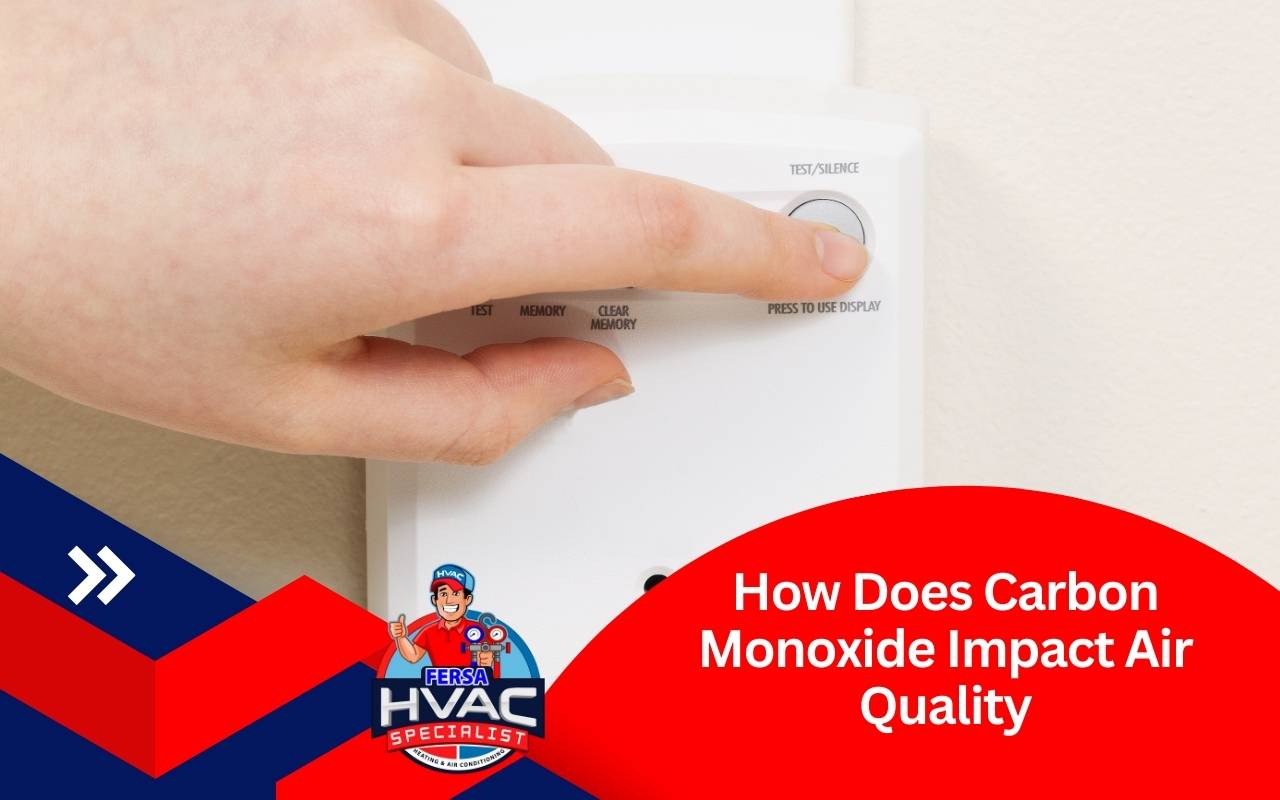
How Does Carbon Monoxide Impact Air Quality
Every breath we take contains unseen elements. However, many ignore hidden dangers. Carbon monoxide, an odorless gas, threatens carbon monoxide air quality. Moreover, while overshadowed by visible pollutants, this gas silently affects health. Its impact reaches households, where poor ventilation worsens risks. Urban studies show levels may reach 8 ppm during traffic peaks. These numbers prove how widespread CO exposure is. Therefore, understanding carbon monoxide’s impact is vital for safer indoor and outdoor environments.
Sources of Carbon Monoxide
Carbon monoxide forms from incomplete fuel combustion. Its sources include vehicles, industry, heating systems, and open burning. In cities, congested traffic creates high emissions. In addition, older vehicles without proper converters produce dangerous levels. Indoors, poorly maintained heating systems elevate risks. Blocked chimneys or vents worsen indoor carbon monoxide air quality. Everyday activities like grilling or generator use in closed spaces also add risk.
- Motor vehicles with faulty catalytic converters
- Poorly maintained furnaces and stoves
- Blocked chimneys and ventilation systems
- Gas-powered equipment in enclosed spaces
Recognizing these sources allows effective prevention and better household safety. For more insights, explore this guide.
Health Effects of Carbon Monoxide Exposure
Exposure to carbon monoxide reduces oxygen transport. Mild cases cause headaches, nausea, and dizziness, often mistaken for flu. As exposure increases, confusion, chest pain, and impaired coordination follow. In severe cases, brain damage or death may occur. Vulnerable groups include infants, seniors, and those with heart or lung conditions. Moreover, winter months show more poisoning cases because heating runs longer. Maintaining ventilation and installing alarms are critical to protecting carbon monoxide air quality.
Impact of Carbon Monoxide on the Environment
Carbon monoxide also harms ecosystems. It reacts with hydroxyl radicals, extending greenhouse gas lifetimes. Consequently, this reaction worsens climate change. Locally, high levels damage crops and plant life. Urban areas experience CO alongside smog, reducing visibility and stressing vegetation. Therefore, reducing emissions improves carbon monoxide air quality and supports environmental health.
- CO reactions increase greenhouse gas persistence
- High levels damage plant growth
- Urban smog worsens with carbon monoxide
Detection and Monitoring of Carbon Monoxide Levels
Monitoring ensures safe environments. Professional CO sensors measure concentrations in real time. Governments use fixed stations for air advisories. In homes, CO detectors near bedrooms and appliances provide early alerts. Regular checks maintain alarm reliability. In addition, in industry, smart systems link sensors with ventilation controls. These methods ensure safer carbon monoxide air quality indoors and outdoors.
Regulations and Guidelines Regarding Carbon Monoxide
Governments regulate CO limits to protect public health. In the U.S., the EPA enforces strict standards. Moreover, WHO recommends even lower exposure limits. Building codes require detectors in many facilities. Compliance protects both individuals and communities. Therefore, following these rules safeguards carbon monoxide air quality globally.
Ways to Reduce Carbon Monoxide Emissions
Lowering CO emissions requires both technology and behavior changes. Vehicle servicing and electric car adoption reduce exhaust. High-efficiency boilers and furnaces improve fuel combustion. Clean chimneys and unobstructed vents reduce indoor risk. Promoting public transport, carpooling, and cycling cuts city emissions. Consequently, all measures help improve carbon monoxide air quality. To explore further tips, visit this page.
- Maintain and upgrade vehicles
- Adopt electric or hybrid transportation
- Ensure proper venting in homes
- Promote public transport and carpooling
Importance of Public Awareness and Education
Education empowers communities to reduce carbon monoxide risks. Awareness campaigns stress CO detector use. Schools and outreach programs explain poisoning symptoms. Moreover, workshops train property managers and homeowners on safe practices. Multilingual resources ensure access for all populations. When people understand carbon monoxide air quality, they support policies and act responsibly.
Technologies for Carbon Monoxide Remediation
Technology reduces CO at its source. Catalytic converters in vehicles transform CO into carbon dioxide. Industrial plants apply catalytic oxidation or thermal oxidizers. Researchers develop photocatalytic materials to convert CO outdoors. Moreover, air purifiers with catalysts help in confined spaces. Together, these technologies improve carbon monoxide air quality worldwide.
Tips for Protecting Yourself from Carbon Monoxide Exposure
Protecting yourself requires routine checks. Inspect furnaces and heaters annually. Install CO alarms on every home level and test monthly. Never run engines indoors, even with doors open. Do not use grills or generators inside. Keep vehicle exhaust pipes clear of snow. In addition, avoid congested roads during high-pollution days. These actions maintain safe carbon monoxide air quality. For personalized help, contact us through our contact page.
Frequently Asked Questions
What is carbon monoxide and why is it dangerous?
Carbon monoxide is a colorless, odorless gas that reduces oxygen delivery, making it harmful to health even at low levels.
How can I detect carbon monoxide at home?
Install CO detectors near bedrooms and appliances, and test alarms regularly to ensure accurate detection.
Which appliances produce carbon monoxide indoors?
Furnaces, gas stoves, water heaters, and fireplaces can release carbon monoxide when poorly maintained or ventilated.
Can carbon monoxide affect the environment?
Yes. Specifically, it extends greenhouse gas lifetimes and worsens smog, reducing crop yields and stressing plants.
How often should CO alarms be replaced?
Most alarms last five to seven years. Replace units as directed by manufacturers to ensure ongoing safety.
Creating a Safe Future with Better Air Quality
Improving carbon monoxide air quality requires consistent actions, public education, and technology. Regular maintenance and awareness reduce risks significantly. Moreover, with the right strategies, communities enjoy healthier, safer environments. Acting today ensures clean air for future generations.