
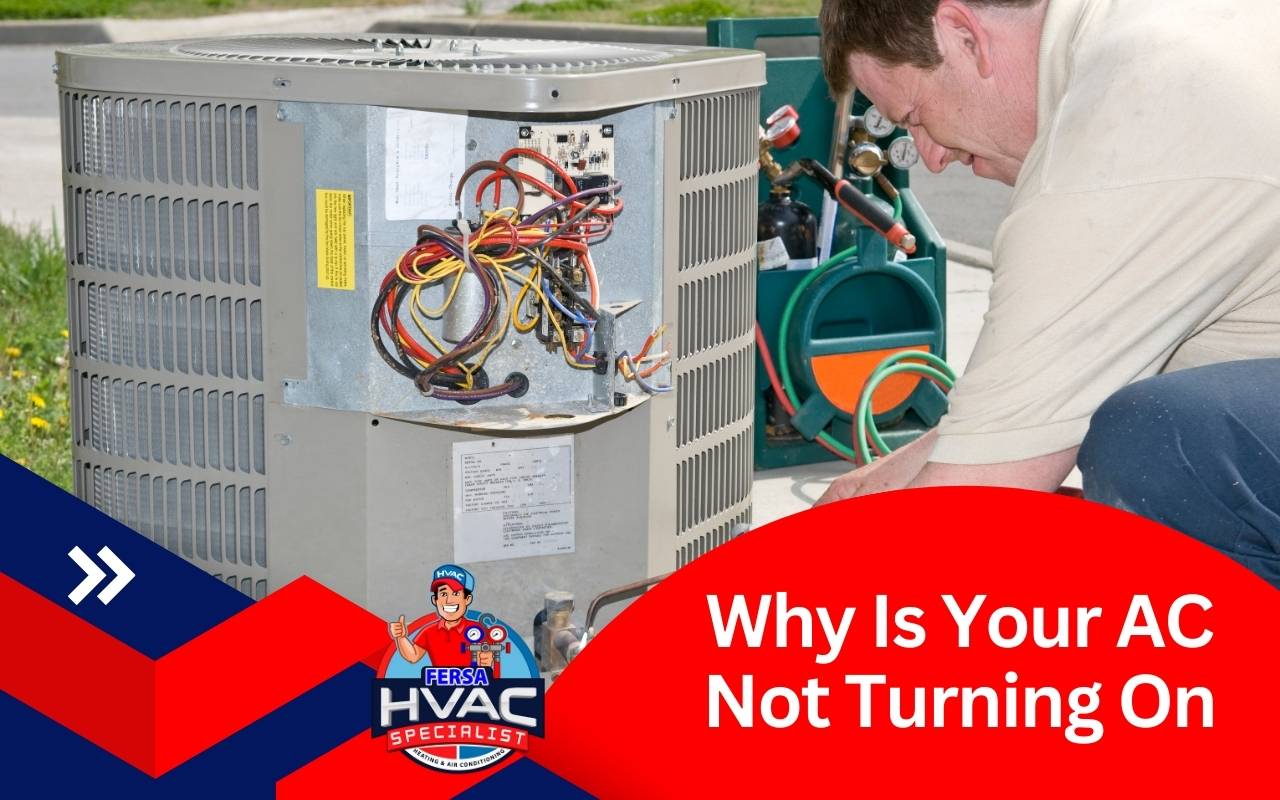
Why Is Your AC Not Turning On
The sweltering heat of summer can turn a minor inconvenience into a major problem when your AC not turning on. Picture this: you’re expecting cool air but are met with warm, still air. Understanding why your AC not turning on is essential to restore comfort and peace of mind. From simple fixes like a tripped circuit breaker to complex wiring issues, knowing the cause can save you time and stress.
Common Reasons for an AC Not Turning On
Several factors can explain why your AC not turning on. Let’s explore the most common causes.
Tripped Circuit Breaker
A tripped breaker often causes an AC not turning on. Electrical overloads or short circuits can cut power. Resetting the breaker may restore operation quickly.
Dirty Air Filter
A clogged air filter restricts airflow, which can prevent the AC from turning on to avoid damage. Regularly cleaning or replacing the filter ensures proper functionality.
Incorrect Thermostat Settings
Incorrect thermostat configurations can block the AC from turning on. Ensure it is set to “cool” and the desired temperature is lower than room temperature.
Checking the Circuit Breaker
First, check the electrical panel when your AC not turning on. A tripped breaker can leave your home without cool air. Resetting it can be a simple, no-cost fix. However, persistent trips indicate an underlying issue that requires professional attention. For more tips, check common HVAC maintenance mistakes.
Troubleshooting the Thermostat
Modern thermostats manage communication between your system and power. If your AC not turning on, confirm it is set to “cool” and below room temperature. Low batteries or dust can disrupt signals. If problems persist, consider calling a technician or replacing the thermostat.
Inspecting for Faulty Wiring
Faulty wiring can prevent the AC from turning on. Check low-voltage control wires for frays or loose connections. High-voltage lines may suffer rodent or weather damage. Always turn off power and consider hiring a certified HVAC professional.
Assessing the Capacitor
The capacitor provides a necessary energy boost to start the motor and compressor. When it fails, the AC not turning on is common. Inspecting or replacing capacitors safely requires a multimeter and professional knowledge.
Examining the Condenser Unit
Debris and leaves can block airflow to the condenser, causing the AC not turning on. Clean fins regularly with a soft brush or gentle hose spray. For heavy buildup, professional cleaning may be required to restore operation.
Understanding the Role of the Evaporator Coil
The evaporator coil absorbs heat from indoor air. Ice buildup or low refrigerant can trigger the system to prevent damage, resulting in your AC not turning on. Thawing ice, replacing filters, and checking ducts help maintain performance.
Signs of a Malfunctioning Motor
Clicking noises or struggling units indicate motor issues. Overheating or burn marks also signal problems. Sometimes a humming motor fails to spin due to capacitor failure. Professional repair or replacement is recommended for safety and proper operation.
Frequently Asked Questions
Why does my AC not turning on even though the thermostat is set correctly?
If the thermostat settings are correct, check the batteries and ensure it is in “cool” mode. A dirty sensor or wiring problem can prevent the AC from turning on.
Could a blocked condenser unit prevent my AC from turning on?
Yes, debris can restrict airflow, causing the AC to overheat. Safety mechanisms may shut it off until the obstruction is cleared and the unit cools down.
How do I know if the capacitor is the reason my AC not turning on?
A failing capacitor may bulge or leak. You might hear a humming noise without compressor movement. Testing with a multimeter confirms if replacement is needed.
Can low refrigerant levels cause my AC not turning on?
Low refrigerant can freeze evaporator coils, triggering a safety switch that stops the AC. Once thawed and refilled, normal operation resumes.
What maintenance should I perform to avoid my AC not turning on in the future?
Change air filters every 1-3 months, keep the outdoor unit clear of debris, and schedule yearly inspections. Professional tune-ups prevent unexpected breakdowns. Learn more at can you overwork your AC unit.
Importance of Regular AC Maintenance
Routine maintenance is the best defense against an AC not turning on. Professional inspections clean coils, check refrigerant, tighten connections, and evaluate all components. Homeowners should also change filters and clear debris. Monitoring unusual noises, energy use, and temperature inconsistencies helps detect problems early. Well-maintained systems operate efficiently and reduce energy costs. For professional assistance, contact us today at Fers HVAC Contact.