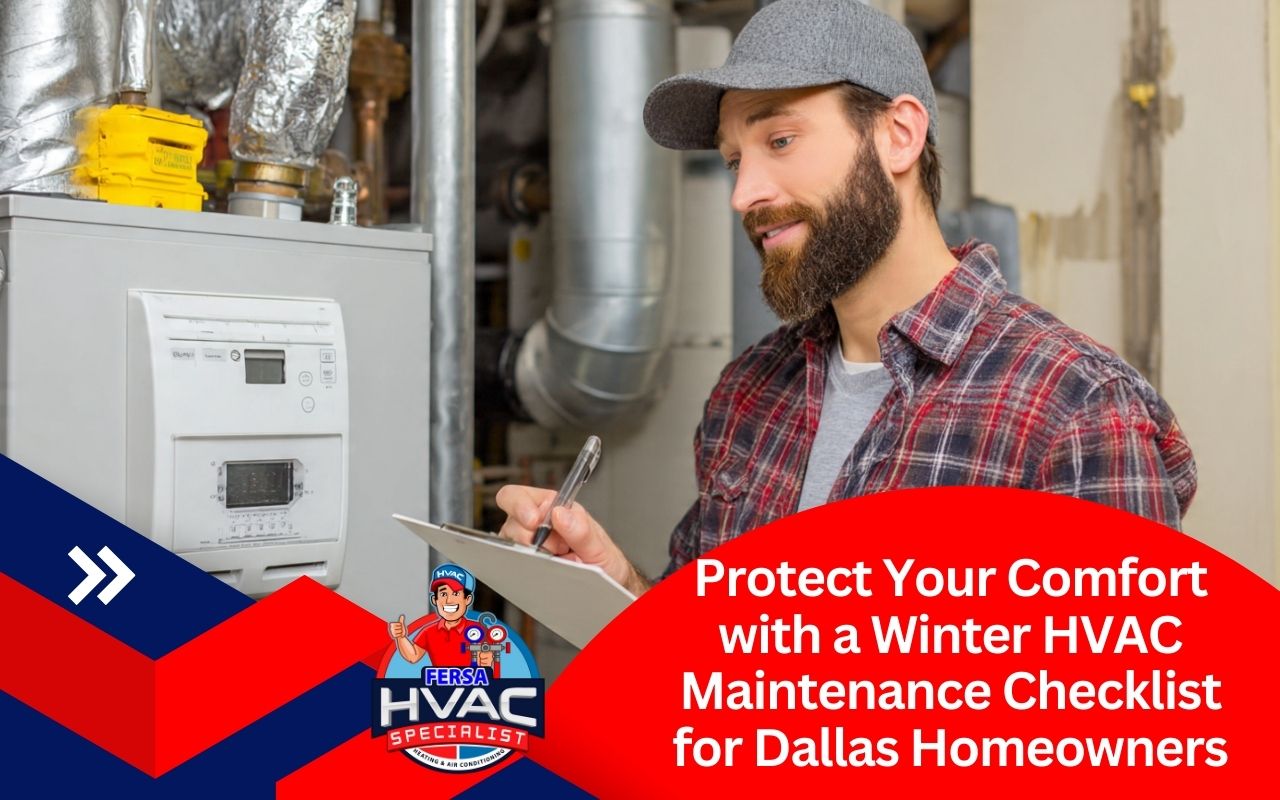
Protect Your Comfort with a Winter HVAC Maintenance Checklist for Dallas Homeowners
A Winter HVAC Maintenance Checklist for Dallas Homeowners helps you prepare your heater before cold fronts reach North Texas. Dallas weather can jump from mild afternoons to freezing nights in a single day, so planning ahead matters a lot.
Preparing your heating system before the first major cold front keeps your home safe and cozy. Ignoring the condition of your unit can lead to breakdowns when you need heat the most. When you set a simple routine for checking your equipment, you catch small issues before they become expensive repairs.
This guide focuses on simple, non-technical steps any Dallas homeowner can follow. By using a clear winter HVAC checklist, you improve energy efficiency and extend the life of your unit. As a result, your family stays comfortable no matter how low the temperature drops outside.
Assessing Your Heating System Before the Freeze
Starting your heating check early in the fall helps you avoid the winter rush when technicians are busiest. Turn your heater on while the weather is still mild. Then see if it starts quickly and blows warm air through the vents without hesitation.
Pay attention to how long it takes for your home to reach the set temperature. A long delay can signal a struggle inside system parts. Also, check the pilot light on gas furnaces. A steady blue flame shows proper operation, while a yellow or flickering flame means you need professional cleaning and a safety inspection.
- Turn the heater on and confirm warm air reaches several rooms.
- Watch how long it takes to meet the set temperature.
- Check the pilot light color on gas furnaces.
- Note any smells, smoke, or burning odors.
These early steps help you find performance gaps in time. This proactive preventive maintenance approach makes sure you are not left shivering during the first sudden freeze in Dallas TX, when everyone else is calling for service.
Changing Air Filters for Optimal Airflow
Replacing air filters is one of the most important tasks for winter comfort. Clogged filters limit the air that flows into the system. This forces the motor to work harder to push warm air through your house. Over time, this extra strain raises energy bills and can even cause the system to overheat and shut down.
Checking your filters once a month is a smart habit, especially if you have pets or allergies. Fur and dust collect quickly. When you follow a simple filter schedule, you stop dirt from building up on indoor coils. Therefore, you protect system efficiency and keep indoor air cleaner for your family.
- Inspect filters every 30 days in winter.
- Replace disposable filters when they look gray or clogged.
- Clean reusable filters according to the maker’s instructions.
- Use the size and rating recommended for your system.
Cleaning Vents and Registers Effectively
To let warm air move freely into every room, you need clear vents and registers. Walk through each room and confirm that supply and return vents stay open. Make sure furniture, heavy curtains, and rugs do not block them.
When vents are blocked, the ductwork develops pressure problems. This lowers system efficiency and creates uneven heating across your home. Gently vacuuming dust and debris from grille covers helps airflow and stops dust from blowing back into the air you breathe. This simple task boosts the overall performance of your heating unit.
Checking the Thermostat Settings for Efficiency
Making sure your thermostat reads the room temperature correctly is essential for comfort and savings. If it has been a while, replace the batteries. Weak batteries can cause the thermostat to lose power or stop talking to the furnace.
Next, test the thermostat by raising the temperature a few degrees. Wait to see if the furnace responds. If there is no reaction, you may need service. Also, use the programming features. When you lower the temperature slightly while you sleep or are away, you can save energy without losing comfort.
Modern thermostats let you create heating schedules that fit your daily routine. This reduces the workload on your HVAC system and supports your winter HVAC checklist. A well-calibrated thermostat truly works as the brain of your home comfort.
Inspecting Insulation around Ductwork
Looking for gaps or tears in duct insulation is vital for heat retention. Focus on unconditioned spaces such as attics, garages, or crawl spaces. Leaky ducts can lose a large amount of heated air before it reaches your living areas.
When you seal visible cracks with metal tape or mastic sealant, you boost heating efficiency. Poor insulation lets cold attic air cool the warm air inside the ducts. Then your heater must run longer to meet the set temperature. Fixing these small issues keeps heat where it belongs and helps keep energy bills steady.
Clearing Debris from the Outdoor Unit
Many homeowners forget about the outdoor heat pump unit in cooler months. However, cleaning around it is still very important. Leaves, twigs, and dead grass can pile up against the cabinet. This blocks airflow that the system needs to run correctly.
Carefully remove buildup and trim bushes or shrubs to create at least two feet of free space around the unit. During rare Dallas winter storms, snow and ice can settle on the equipment. Therefore, check it after cold snaps. A clear outdoor unit runs more efficiently and is less likely to fail from overheating or blockage.
Testing Carbon Monoxide Detectors for Safety
Keeping your household safe means checking carbon monoxide detectors before heavy heating use begins. Gas furnaces create heat through burning fuel. If there is a crack in the heat exchanger, dangerous carbon monoxide gas can leak into your rooms.
Press the test button on every detector and listen for a strong alarm. If the sound is weak, replace the batteries right away. This fast safety inspection is non-negotiable. Carbon monoxide is odorless and colorless, so only a working alarm can warn you. Protecting your family from this silent danger is a key part of winter home care.
Scheduling Professional Preventive Maintenance
Although many tasks are simple, a trained technician still plays a major role in your comfort. Professionals have the tools to check electrical connections, measure voltage, and review the burner area for hidden wear. Tightening loose wires during a visit can prevent dangerous shorts and unexpected system failures later in the season.
They also lubricate moving parts, which lowers friction and helps the motor run more quietly. This care extends the life of your equipment. Scheduling this visit every year should be part of your trusted Winter HVAC Maintenance Checklist for Dallas Homeowners. An expert can spot problems early, giving you time to fix them before a freezing night in Dallas TX.
If you want year-round support, consider one of the preventive maintenance plans that keep inspections on a regular schedule.
Listening for Unusual Noises in the Furnace
Listening closely to your heating system can give early clues about trouble. Squealing, banging, or rattling sounds often signal loose parts, a slipping belt, or a motor near the end of its life. Ignoring these signs usually leads to bigger repairs and higher costs.
When you notice a new or loud noise, try to find where it starts. Occasional popping sounds might come from ductwork expanding as it heats up. However, ongoing grinding noises suggest friction that needs fast attention. By tracking these sounds, you stay ahead of many furnace issues and support your preventive maintenance routine.
Preparing an Emergency Plan for Winter Storms
Planning for power outages or system failures is smart for every North Texas homeowner. Dallas winters can be unpredictable, and a backup plan helps your family stay safe if the heat stops working. Therefore, think through what you would do before a storm arrives.
- Store extra blankets, warm clothing, and flashlights in one easy-to-find place.
- Use portable space heaters only with proper clearance and safety steps.
- Keep a written list of trusted HVAC repair numbers in case your phone battery dies.
- Learn where your main electrical panel and gas shut-off valves are located.
When you prepare in advance, you reduce panic during a cold snap. You can manage the situation calmly until your heating system is working again.
Frequently Asked Questions
How often should I follow a winter HVAC checklist in Dallas?
You should walk through your winter HVAC checklist at least once before the first strong cold front. However, checking filters and thermostat settings monthly during the season keeps your system in better shape.
When should I change my HVAC filter during winter?
Most Dallas homes should change or clean filters every 30 to 60 days in winter. If you have pets, allergies, or a busy household, aim for the shorter end of that filter schedule.
Why is preventive maintenance important for my heater?
Preventive maintenance helps catch small issues before they turn into breakdowns. It also keeps parts clean, improves safety, and can extend the life of your system, which saves money over time.
What safety inspection steps can homeowners handle themselves?
Homeowners can test carbon monoxide alarms, look for blocked vents, and visually check around the furnace for leaks or scorch marks. However, deeper safety inspection tasks should always be done by a licensed technician.
When should I call a professional instead of fixing things myself?
You should call a professional if you notice gas smells, frequent system shutoffs, repeated tripped breakers, or loud grinding noises. Also, contact an expert if your furnace will not start after basic checks.
Stay Warm with Expert HVAC Help in Dallas TX
While many steps in a Winter HVAC Maintenance Checklist for Dallas Homeowners are simple, you do not have to handle everything alone. If you notice warning signs or want a full tune-up, explore the range of heating and cooling services available for Dallas and nearby areas.
For a tailored safety inspection and preventive maintenance visit, you can schedule your winter heating service with a certified technician. With the right winter HVAC checklist and trusted support, your home can stay cozy and safe all season long.