
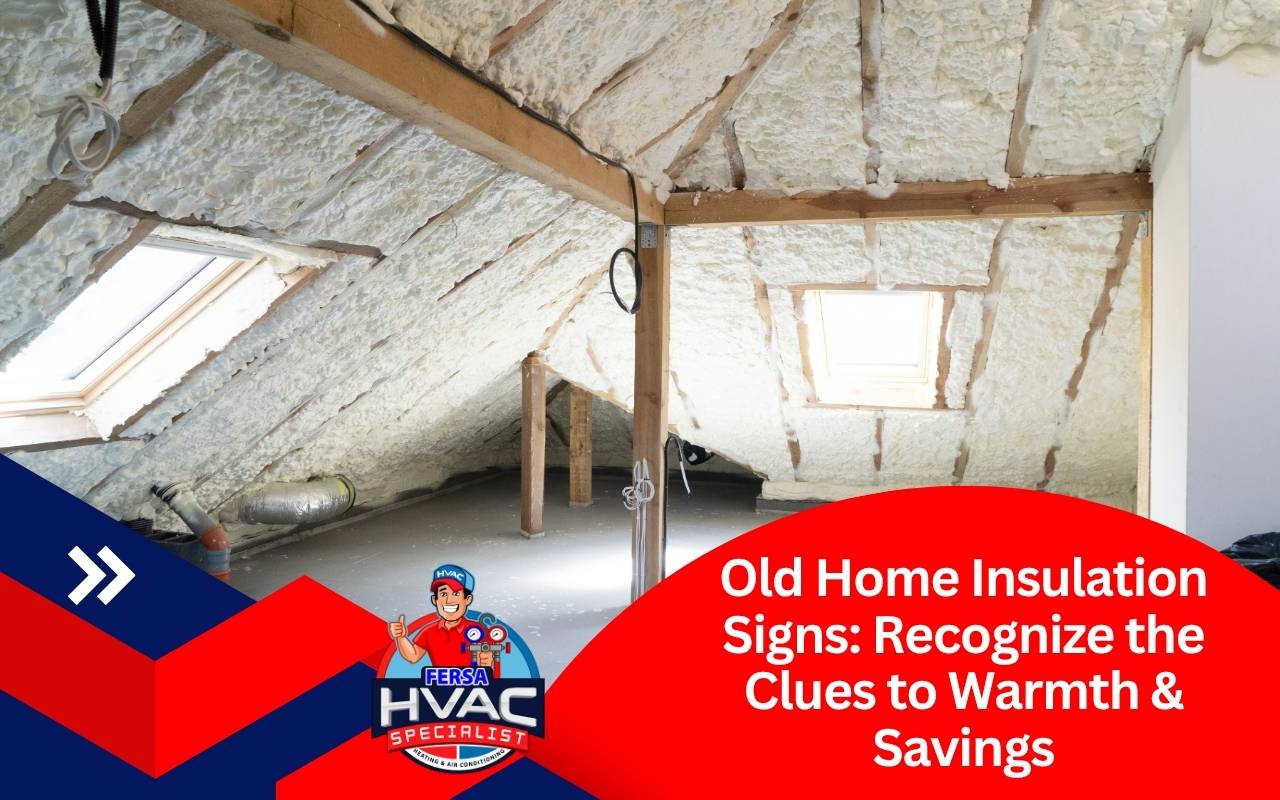
Old Home Insulation Signs: Recognize the Clues to Warmth & Savings
Old homes carry undeniable charm and history. Yet, beneath their classic beauty, energy inefficiency often hides. For many homeowners, identifying old home insulation signs makes all the difference between cozy winters and uncomfortable drafts. This guide explores essential clues that indicate insulation issues and shows how to improve comfort and efficiency. According to the U.S. Department of Energy, homeowners can save up to 20% on heating and cooling costs by improving insulation. That hidden potential often lies behind walls or above ceilings. By recognizing these signals, you can preserve your home’s character while enhancing comfort and savings.
Understanding the Importance of Insulation in Old Homes
Older homes often feature timeless architecture but lack modern energy efficiency. Insulation acts as a thermal barrier that reduces heat transfer between interior and exterior spaces. Without it, heating and cooling systems must work harder to maintain comfort. Early recognition of old home insulation signs helps prevent wasted energy and discomfort.
Good insulation improves both comfort and sustainability. Since HVAC systems run more efficiently, energy use decreases and emissions drop. Moreover, stable indoor temperatures eliminate cold or hot spots, ensuring a balanced home environment. Preserving your home’s character while improving insulation ensures lasting warmth and lower utility bills.
Assessing the Age and Type of Existing Insulation
Many older houses still contain outdated materials such as mineral wool, cork, or early fiberglass. These can deteriorate over time, losing effectiveness. Learning to identify insulation type and age is a vital step when spotting old home insulation signs. Examine your attic, basement, or crawl space for visible materials or markings. Fiberglass appears fluffy and colored, while cellulose looks like shredded gray paper.
- Inspect exposed insulation in accessible areas
- Note color, texture, and thickness
- Compare the R-value with modern standards
If you discover compression, moisture, or gaps, consider upgrading. Proper replacement restores comfort and cuts energy waste. To explore efficiency solutions for aging homes, visit Mesquite Energy Solutions for expert guidance.
Detecting Drafts and Air Leaks Around Doors and Windows
Even with sufficient insulation, air leaks can undermine energy efficiency. Drafts around windows or door frames are among the most common old home insulation signs. These leaks allow conditioned air to escape and outdoor air to enter. Conduct a simple test using a candle or incense near suspected areas. If smoke moves erratically, a draft is present.
- Use weatherstripping around movable joints
- Apply caulk along stationary seams
- Seal larger gaps with low-expansion spray foam
Although these repairs seem small, their impact is significant. Tightening your home’s envelope boosts efficiency and comfort quickly.
Examining Attic Insulation for Efficiency
The attic is a major heat loss zone. Insufficient insulation there can waste up to 25% of heating energy. Uneven room temperatures or winter ice dams on your roof are old home insulation signs not to ignore. Measure insulation depth and look for flattened or displaced sections. Current standards recommend R-38 to R-60 in most regions.
Replace or supplement old materials when needed. Always seal gaps near vents and chimneys. For additional tips on improving insulation and efficiency, visit Energy Savings in Mesquite for valuable insights.
Investigating Wall Insulation for Hidden Issues
Walls often conceal insulation problems invisible to the naked eye. Cold wall surfaces or uneven heating are strong indicators of trouble. Detecting these old home insulation signs may require infrared thermal imaging or borescope inspection. These methods reveal missing or compacted material behind the drywall.
- Check interior wall surfaces for cold spots
- Use thermal imaging for accurate detection
- Consider blown-in insulation for better coverage
Upgrading wall insulation improves comfort, reduces noise, and prevents moisture issues over time.
Checking Floors for Insulation Problems
Cold floors in winter often reveal missing insulation beneath. Walking barefoot on icy floors is one of the easiest old home insulation signs to recognize. Inspect under floorboards or access crawl spaces to confirm insulation thickness and condition. Fiberglass batts can sag, while rigid foam or spray foam offers lasting stability.
Ensure crawl spaces are dry and ventilated. Adding rigid foam panels or spray foam beneath floors helps retain warmth and lowers energy demand significantly.
Identifying Signs of Moisture or Mold Caused by Poor Insulation
Moisture issues often accompany inadequate insulation. Dark stains, moldy smells, or warped trim are telltale old home insulation signs. When warm air meets cold surfaces, condensation forms, leading to potential mold growth. Inspect window sills, attics, and basements carefully.
Improving insulation alone might not solve humidity problems. Seal air leaks, install vapor barriers, and improve ventilation. Addressing these issues early safeguards both your health and your home’s structure.
Consulting with Professionals for a Comprehensive Evaluation
Professional energy audits provide detailed insight into your home’s efficiency. Experts use thermal imaging and blower door tests to locate hidden leaks and insulation gaps. Identifying old home insulation signs through expert evaluation ensures accurate, lasting improvements.
Certified auditors also recommend solutions tailored to your property’s age, climate, and structure. They can even help you access local rebates. For professional help, schedule a consultation through the Contact page today.
FAQs about Old Home Insulation
How can I tell if my old home insulation is failing?
Cold drafts, uneven temperatures, or high utility bills often indicate insulation deterioration or air leakage.
Is upgrading insulation worth it for older homes?
Yes. Improved insulation increases comfort, lowers energy costs, and extends the lifespan of your HVAC system.
What areas of my house should I inspect first?
Start with the attic, walls, and crawl spaces, as these typically lose the most heat.
Can I add new insulation over existing material?
In most cases, yes. However, ensure older material is dry and mold-free before layering new insulation.
When should I call a professional?
If you notice persistent cold spots or mold, contact an expert for a full inspection and insulation upgrade plan.
Implementing Insulation Upgrades and Improvements
Once deficiencies are identified, it’s time to act. Upgrade with blown-in cellulose, fiberglass batts, or spray foam depending on location and budget. Each offers unique benefits in R-value and moisture resistance. Spray foam seals gaps effectively, while rigid foam strengthens exterior walls.
Before installation, confirm local code requirements. For large or complex projects, hiring professionals is wise. After completion, verify the results using infrared scanning or air pressure testing. These checks confirm that you’ve successfully eliminated old home insulation signs, ensuring sustained comfort and energy efficiency.
Transforming Your Old Home into an Energy-Efficient Haven
Recognizing old home insulation signs empowers you to protect your comfort and savings. Through careful inspection, expert consultation, and targeted upgrades, you can preserve your home’s charm while achieving modern efficiency. Begin your transformation today by contacting trusted professionals via the Contact page to start creating a warmer, more energy-efficient home.