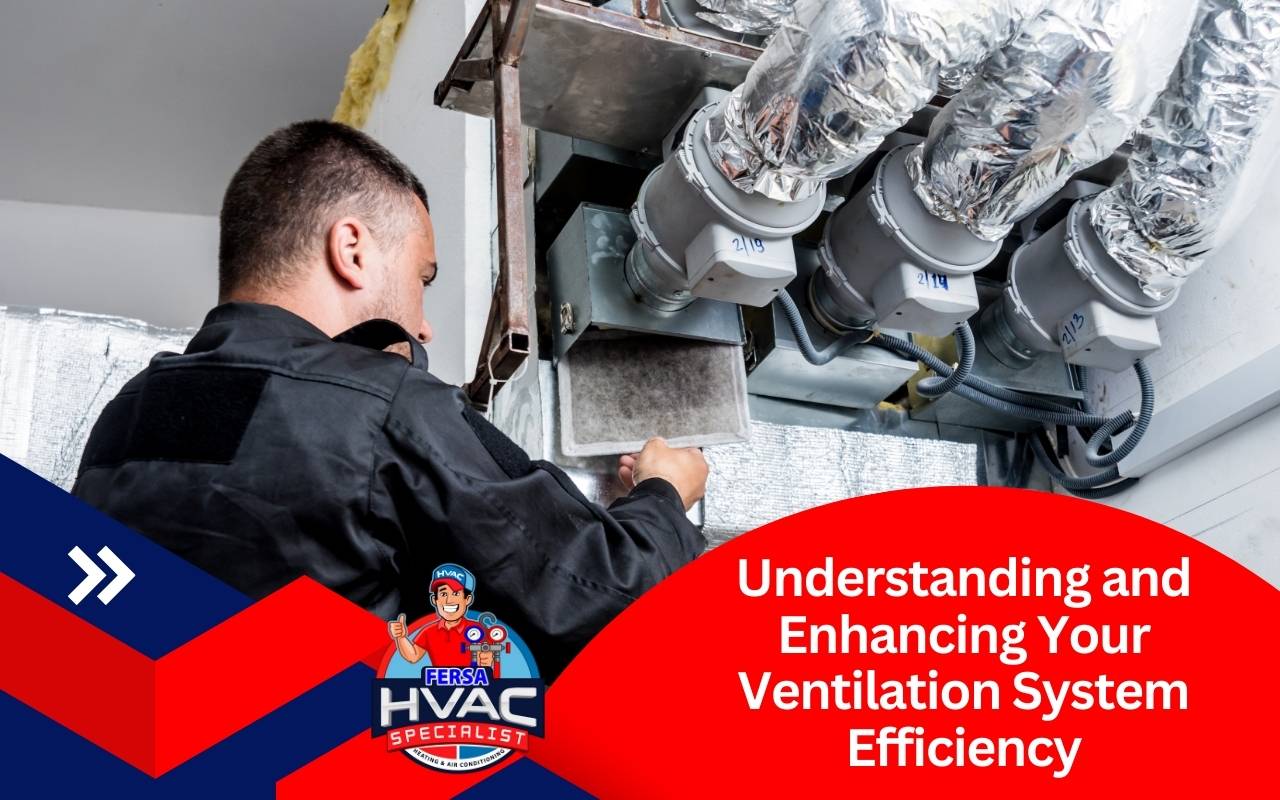
Understanding and Enhancing Your Ventilation System Efficiency
The air we breathe impacts comfort and health. Ventilation system efficiency ensures fresh air circulation while reducing energy waste. If rooms feel stuffy or energy bills rise unexpectedly, your system may lack proper efficiency. Inefficient ventilation can account for 30% of household energy use, causing higher costs and environmental strain. Therefore, by learning how to optimize performance, you can protect health, save money, and improve overall comfort. This guide explains airflow management, signs of poor performance, and practical steps to enhance ventilation system efficiency in any home.
Importance of Ventilation System Efficiency
Ventilation system efficiency keeps indoor air healthy while cutting costs. Efficient systems remove moisture, odors, and pollutants while bringing in fresh air. This process prevents mold, reduces allergens, and supports well-being. Poor efficiency allows pollutants to build up, causing respiratory issues and structural damage from humidity. Additionally, inefficient systems increase energy demand, raising costs. Prioritizing efficiency aligns with building codes and eco-standards while protecting your family’s health and finances.
- Removes stale air and contaminants effectively
- Prevents mold and humidity-related damage
- Reduces allergens, odors, and respiratory risks
For more details on indoor air challenges, visit our dedicated guide.
Signs of Poor Ventilation
Early signs help prevent expensive problems. Condensation on windows indicates poor air circulation. This buildup fosters mold and mildew growth, releasing spores that harm health. Moreover, uneven room temperatures also reveal restricted airflow. Stale odors after cooking or cleaning show insufficient air exchange. Addressing these issues quickly improves comfort and avoids costly repairs.
- Condensation on windows or walls
- Uneven room temperatures
- Lingering odors after cooking or cleaning
Understanding Airflow Dynamics
Airflow dynamics describe how air moves through ducts and vents. Balanced airflow ensures clean, fresh air reaches all rooms. Factors like duct size, filter condition, and fan power impact efficiency. Moreover, dust, blocked vents, or leaks disrupt airflow. Proper design minimizes resistance and optimizes circulation. Understanding these basics helps homeowners improve ventilation system efficiency with informed adjustments.
Assessing Your Current Ventilation System
Evaluating your system is essential before upgrades. Start by checking filters and vents for blockages. Additionally, inspect ductwork for leaks or loose connections. Assess the age and capacity of fans and HVAC units. Older systems may lose efficiency with time. Measuring airflow against manufacturer guidelines reveals whether your system meets performance standards.
Common Efficiency Issues to Look Out For
Leaks in ductwork reduce airflow and force systems to work harder. Improper fan speeds create either drafts or insufficient ventilation. Additionally, dust or corrosion on fans decreases efficiency. Using the wrong filter type or size increases resistance and lowers airflow. Consequently, identifying these problems early supports long-term ventilation system efficiency.
- Duct leaks wasting conditioned air
- Improper fan settings reducing comfort
- Dirty or wrong filters causing pressure drops
Strategies for Improving Ventilation Efficiency
Sealing and insulating ductwork prevents air loss and maintains temperature stability. Variable-speed fans with smart controls adjust airflow according to demand, cutting waste. Moreover, programmable thermostats and humidity sensors enhance efficiency further. These improvements ensure ventilation system efficiency while lowering energy costs.
To explore practical ways to improve your air, read our expert recommendations.
DIY Maintenance Tips for Optimal Performance
Changing filters regularly is the easiest way to maintain ventilation system efficiency. Check filters monthly and replace them every one to three months. Additionally, clean vents and grilles with mild soap and vacuum ducts to remove dust. Ensure furniture and curtains do not block airflow. These small actions maintain balanced airflow and system performance.
Investing in Advanced Ventilation Technologies
Heat recovery ventilators (HRVs) and energy recovery ventilators (ERVs) reuse energy from outgoing air. They reduce heating and cooling demands while keeping air fresh. Moreover, demand-controlled ventilation (DCV) systems adjust airflow in real time using sensors. These advanced technologies increase comfort and improve ventilation system efficiency sustainably.
FAQs About Ventilation System Efficiency
Why is ventilation system efficiency important?
It ensures clean air, prevents humidity problems, reduces allergens, and lowers energy costs while improving overall comfort at home.
How can I tell if my system is inefficient?
Signs include condensation, uneven temperatures, high energy bills, and persistent odors in your living spaces.
What simple steps improve ventilation system efficiency?
Replace filters, clean ducts and vents, seal leaks, and keep registers unblocked for better performance.
Do advanced technologies help with efficiency?
Yes, HRVs, ERVs, and DCV systems reclaim energy, monitor conditions, and adjust ventilation for maximum efficiency.
Should I hire a professional for ventilation improvements?
DIY maintenance helps, but professionals provide testing, sealing, and balancing services for optimal efficiency and reliability.
Achieving Peak Performance for Your Ventilation System
Improving ventilation system efficiency boosts air quality, reduces costs, and enhances comfort. Regular maintenance and strategic upgrades create lasting benefits. Moreover, embracing proactive care protects both health and home. For expert support, contact us today and optimize your indoor air system.