
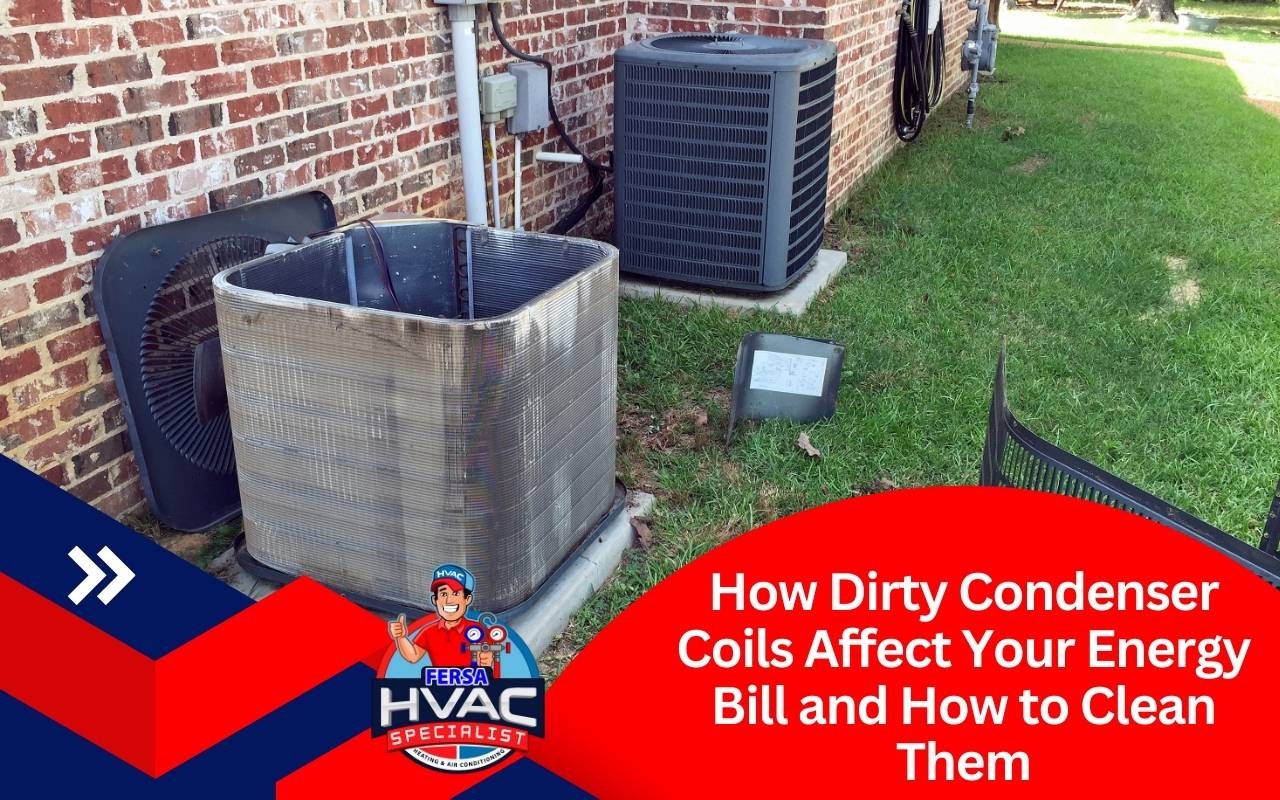
How Dirty Condenser Coils Affect Your Energy Bill and How to Clean Them
Every time you open your energy bill, does it feel like your wallet has taken a hit? Often, dirty condenser coils are the hidden culprit. Accumulated dirt forces your AC or refrigerator to work harder, increasing energy consumption. Fortunately, with proper maintenance, you can address dirty condenser coils effectively. Keeping them clean extends appliance lifespan and enhances performance. For more tips on maintaining your HVAC system, see our guide on common HVAC maintenance mistakes.
The Impact of Dirty Condenser Coils on Energy Efficiency
Reduced Energy Efficiency
Dirty condenser coils impede heat dissipation, causing compressors to work longer and consume more electricity. Regular cleaning improves efficiency and lowers bills.
Decreased Cooling Performance
Debris on coils limits heat release, reducing cooling capacity. AC units run more frequently, straining the system and decreasing comfort.
Potential Equipment Damage
Dirty condenser coils stress compressors and other components. Over time, this accelerates wear, leading to breakdowns. Routine cleaning prevents damage and costly repairs.
Understanding the Relationship Between Dirty Coils and Increased Energy Consumption
Dirty condenser coils disrupt the refrigerant cycle by trapping heat. Compressors draw more power to compensate, raising energy usage. Studies show a quarter-inch layer of dust can increase energy consumption by up to 30%. Extreme weather amplifies this effect. For expert advice, visit our contact page.
Common Signs That Indicate Your Condenser Coils Need Cleaning
Watch for reduced airflow, uneven cooling, and frequent cycling. Unusual outdoor noises, high humidity, and rising bills also indicate dirty condenser coils. Early detection prevents deeper system strain and higher costs.
Tools and Materials Required for Cleaning Condenser Coils
Gather a soft-bristle brush, garden hose, coil-cleaning solution, gloves, and safety goggles. For stubborn grime, use a fin comb. A vacuum with brush attachment helps remove loose debris before cleaning.
Step-by-Step Guide to Safely Cleaning Your Condenser Coils
Turn Off Power: Ensure the unit is powered off for safety.
Remove Service Panel: Carefully remove the panel to access coils.
Brush Away Debris: Gently remove dirt and dust from the coils.
Apply Coil-Cleaning Solution: Use manufacturer-approved solution and follow instructions.
Allow Penetration Time: Let the solution loosen dirt before rinsing.
Rinse with Water: Gently rinse coils to avoid damaging fins.
Air-Dry Completely: Ensure coils are dry before reassembly to prevent mold.
Reassemble and Restore Power: Secure panel and test the unit.
Consider professional cleaning for deep maintenance to ensure safety and optimal results. Learn more about overworked AC units at this guide.
Importance of Regular Maintenance in Preventing Coil Build-Up
Schedule coil cleaning at least twice yearly. Clear vegetation and debris around outdoor units. Regular air filter replacement reduces particles settling on coils. Preventive maintenance improves airflow and system longevity.
Benefits of Clean Condenser Coils Beyond Energy Savings
Clean condenser coils reduce stress on components, extend equipment lifespan, improve indoor air quality, and reduce noise. Efficient systems promote comfort and healthier environments. Prioritizing coil cleaning benefits both performance and well-being.
Professional Maintenance vs. DIY Cleaning: Which Is Best for You?
DIY cleaning works for simple residential units, offering immediate results. Professionals provide thorough inspections, detect hidden issues, and perform deep cleaning safely. High-end systems often require certified technician care to prevent costly repairs.
Troubleshooting Tips for Persistent Energy Bill Issues
If energy bills remain high, check for air leaks, inspect thermostat settings, and ensure refrigerant levels are correct. Persistent issues may require professional diagnostics for electrical or mechanical faults.
Frequently Asked Questions
How often should I clean my condenser coils?
Typically, clean condenser coils twice a year, before summer and winter. Dusty environments may require more frequent cleaning.
Can I use household detergents instead of specialized coil cleaner?
Mild detergents can work temporarily, but specialized cleaners penetrate dirt deeply and prevent damage to coils.
Is it safe to clean condenser coils myself?
DIY cleaning is safe with proper procedures: power off, wear protective gear, use recommended solutions, and apply water carefully.
What happens if I neglect dirty condenser coils?
Neglect leads to reduced heat transfer, higher energy use, system strain, increased breakdowns, and shortened equipment lifespan.
Will cleaning coils improve my indoor air quality?
Yes. Clean coils maintain airflow, proper humidity, and reduce strain on filters, preventing mold and enhancing air quality.
Keeping Your Condenser Coils Clean for Optimal Performance
Dirty condenser coils significantly affect energy efficiency and system longevity. Regular maintenance lowers bills, promotes comfort, and ensures a healthier living space. Whether DIY or professional, prioritize coil care for peak performance and savings all year.